
Halitosis (Bad Breath), What's Causing It and How to Fix It
- Halitosis is persistent unpleasant breath odour.
The conventional clinical definition draws a line between transient halitosis (food-related, morning breath, alcohol-related, resolves within hours) and chronic halitosis (persistent across days or weeks, regardless of recent food intake).


What Halitosis Is
Halitosis is persistent unpleasant breath odour. The conventional clinical definition draws a line between transient halitosis (food-related, morning breath, alcohol-related, resolves within hours) and chronic halitosis (persistent across days or weeks, regardless of recent food intake). This page is about the chronic form. It is not "bad breath after garlic"; it is breath odour that persists despite normal oral hygiene and has crossed into a clinical concern.
The volatile sulphur compounds (VSCs) responsible for the typical halitosis odour are produced primarily by anaerobic bacteria on the dorsum of the tongue and in subgingival periodontal pockets. Roughly 90% of chronic halitosis cases have an identifiable oral source; the remaining 10% trace to ENT, gastrointestinal, hepatic, or systemic causes. The diagnostic decision tree we run is published as SD-DX-HALI.
At Stunning Dentistry
The halitosis conversation begins with structured measurement, not assumption. Self-assessment of breath odour is unreliable, patients overestimate, underestimate, or misattribute. The diagnostic workup we run uses organoleptic scoring by the case-managing clinician at consult, plus the documented anatomical examination, before any treatment plan is offered.
Questions about this procedure?
Prevalence and Risk Factors
Roughly 20-30% of adults experience persistent halitosis at some point in their life; the lifetime self-reported figure is closer to 50%. Prevalence rises with age, with periodontal disease, with reduced salivary flow (xerostomia), and with the use of multiple xerostomia-inducing medications.
Risk Factors
- Periodontal disease, the strongest risk factor; subgingival anaerobes produce VSCs in proportion to pocket depth.
- Tongue coating, the dorsum-of-tongue surface harbours anaerobic bacteria; thickness of coating correlates with halitosis severity.
- Reduced salivary flow, xerostomia from medication, Sjögren's syndrome, mouth-breathing, sleep apnoea, dehydration.
- Smoking, direct odour contribution plus increased periodontal disease risk.
- Specific dietary patterns, sustained low-carbohydrate (ketogenic) diets produce acetone breath; high-protein with insufficient hydration intensifies VSC production.
- Medical conditions, uncontrolled diabetes (ketotic breath), advanced liver disease (sweet ammoniacal breath), advanced renal disease (urea-tinged breath), bronchiectasis, chronic sinusitis with post-nasal drip.
Ready to discuss your options?
Clinical Equipment & Technology
A predictable case is only as good as the planning and fabrication stack behind it. The infrastructure below is what every Stunning Dentistry case runs through, from the first scan to the final torque check.
At Stunning Dentistry
Every fixture placement carries an insertion-torque value (typically 35-65 Ncm) and an ISQ reading (target ≥ 68 at second stage) recorded on the patient file. 1 mm. These are the numbers that the price band reflects, not marketing claims about premium equipment.
| System | Stunning Dentistry stack | What it controls in your case |
|---|---|---|
| Cone-Beam CT | Carestream / Planmeca CBCT | Bone density (HU), ridge width, sinus floor distance, IAN canal proximity |
| Intraoral scanner | 3Shape TRIOS 5 | Margin-line capture, occlusal record, soft-tissue contour |
| Planning software | coDiagnostiX, NobelGuide | Virtual implant placement, surgical-guide design, prosthetic-driven backward planning |
| Digital articulator | Modjaw / JMA Optic | Mounted bite registration, jaw-relation validation before definitive |
| Surgical motors + guides | Nobel Biocare / Straumann surgical kits | Insertion-torque measurement, ISQ resonance frequency analysis |
| 5-axis milling | Roland DWX / VHF S2 | Monolithic zirconia framework precision (≤ 25 µm marginal fit) |
| 3D printing | Formlabs Form 3B+ | Surgical guides, provisionals, try-in models |
| Implant systems | Nobel Biocare + Straumann (primary) | Fixture range covering bone densities D1-D4, immediate-load thresholds |
Curious about costs and timelines?
Causes, What Drives Halitosis
Primary Causes (Oral, ~90% of chronic cases)
1. Tongue coating. The papillary surface of the dorsum of the tongue traps food debris, dead epithelial cells, and anaerobic bacteria. VSC production from this layer is the dominant odour source in roughly 50% of oral-cause halitosis.
2. Periodontal disease. Subgingival anaerobes in periodontal pockets produce VSCs in proportion to pocket depth. The 30%+ BOP percentage that defines active periodontitis is also the threshold at which halitosis becomes clinically detectable.
3. Caries / Failing restorations. Cavitated lesions and ill-fitting crowns or bridges harbour anaerobic bacteria; food debris stagnates in the gap.
4. Xerostomia. Reduced salivary flow eliminates the natural oral cleaning mechanism. Medications (antihistamines, antidepressants, antihypertensives, diuretics), Sjögren's syndrome, and head-and-neck radiation are the common drivers.
Secondary Causes (Non-oral, ~10%)
- ENT, chronic sinusitis with post-nasal drip; tonsillar crypts harbouring food debris (tonsilloliths); chronic adenoid infection; deviated septum causing mouth-breathing.
- Gastrointestinal, chronic Helicobacter pylori infection; gastro-oesophageal reflux disease (GORD); rare oesophageal pathology.
- Hepatic, advanced liver disease with elevated dimethyl sulphide and ammonia.
- Renal, end-stage renal disease with urea-derived breath compounds.
- Metabolic, uncontrolled diabetes producing ketone-bodies (sweet/fruity acetone breath); hereditary metabolic disorders.
Causes Patients Often Misidentify
- "It's just stomach-related." GI sources account for 5% or less of chronic halitosis. Most "stomach breath" is actually oral.
- "My tongue cleaner doesn't help." Most patients use tongue cleaners ineffectively (too gentle, too anterior). Proper technique reduces tongue-coating-derived VSCs significantly.
- "It must be diet." Dietary halitosis is transient. Persistent halitosis after dietary correction has a non-dietary cause.
At Stunning Dentistry
We identify the source before we prescribe the treatment. Cause-attribution conversations have practical consequences, telling a patient with periodontal-source halitosis to use mouthwash addresses none of the underlying disease.
Want a personalised treatment plan?
Symptoms, What You Notice
Early Symptoms
- Persistent metallic or "stale" taste in the mouth
- Coated tongue (white, yellow, or brown coating on dorsum)
- Family or partner notices breath odour you cannot self-detect
- Persistent need for mints, gum, or rinses
Progressive Symptoms
- Family-confirmed halitosis at multiple times of day
- Halitosis present even after brushing
- Social withdrawal, anxiety about close-contact conversations
- Clear association with specific times (morning, after meals, before bed)
Red-Flag Symptoms, Refer Out
- Halitosis with significant unintended weight loss
- Halitosis with constitutional symptoms (fever, night sweats)
- Sweet/fruity breath in a known or suspected diabetic (possible diabetic ketoacidosis, medical urgent)
- Ammonia or urea-tinged breath in a patient with renal disease
- Halitosis with chronic productive cough or chronic sinusitis (ENT referral)
Questions about this procedure?
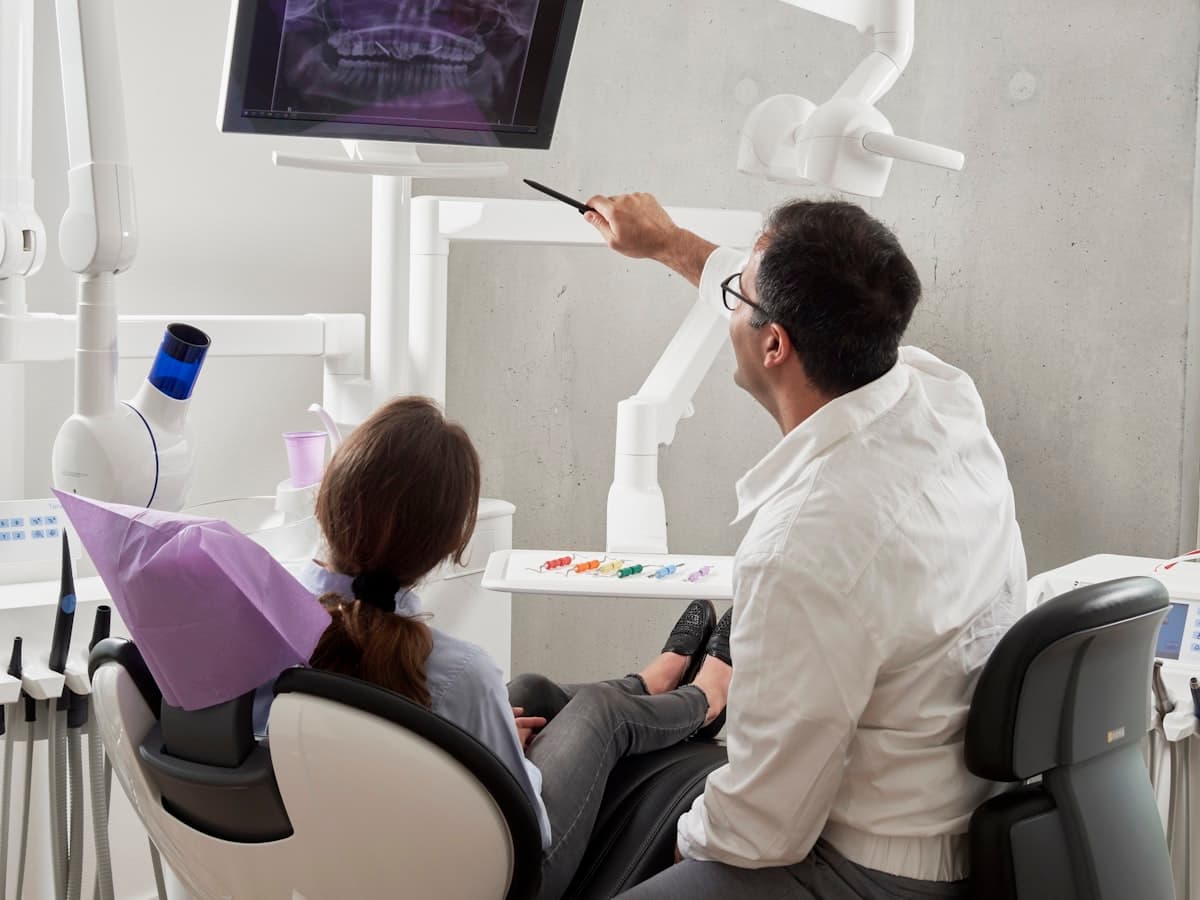
Diagnostic Process, How Halitosis Is Identified
Clinical Examination
- Organoleptic assessment, the case-managing clinician scores breath odour at conversational distance (0 = no odour, 5 = severe). The patient is asked not to eat or use rinses for two hours pre-appointment.
- Tongue-coating index, Winkel scoring system (0 = no coating, 12 = severe coating across the dorsum).
- Periodontal probing at six sites per tooth (per the bleeding-gums diagnostic protocol).
- Caries assessment, visual and tactile.
- Restoration assessment, fit, marginal seal, gap-line status of crowns and bridges.
- Salivary flow, unstimulated whole-saliva collection at 5 minutes; below 0.1 ml/min is hyposalivation.
Imaging
Periapical radiographs at any caries-suspect site. Full-mouth periapical series at any case with generalised periodontal disease. Imaging is not the primary diagnostic for halitosis itself but is mandatory for the underlying disease assessment.
Laboratory Tests (When Indicated)
- Halimeter VSC measurement, portable sulphur monitor reading parts-per-billion of methyl mercaptan, hydrogen sulphide. We use this where the organoleptic finding and the patient self-report do not agree.
- HbA1c, for any case with sweet/fruity breath profile.
- Liver function tests, for any case with ammoniacal breath profile.
- Renal function tests, for any case with urea-tinged breath profile.
- Helicobacter pylori urea breath test, for refractory halitosis with GI symptoms.
Differential Diagnoses
- Oral source halitosis, tongue coating, periodontal, caries, xerostomia.
- ENT source, chronic sinusitis, tonsilloliths, post-nasal drip.
- GI source, H. pylori, GORD, oesophageal disease.
- Systemic source, diabetic ketoacidosis, hepatic encephalopathy, uraemia.
- Pseudohalitosis, persistent self-perceived bad breath without objective confirmation. Requires reassurance plus referral to mental-health services where appropriate.
At Stunning Dentistry
The differential-diagnosis list is run before any treatment plan. Pseudohalitosis is documented in the literature at 20-30% of presenting patients, treating a non-existent halitosis with aggressive periodontal therapy creates a worse problem than the imagined one. We screen specifically for it.
Ready to discuss your options?
Patient Voices, Inline Stories From Stunning Dentistry Files
I had been wearing a partial for eleven years and three different prosthodontists in my home country had told me my bone was too compromised. The CBCT review at Stunning Dentistry took three days, the plan came back with a named lead clinician, and ten months later I am eating apples again. The diagnostic was the difference, not the surgery.
What I appreciated was the honesty before I booked the flight. Two of my home-country options had quoted me for All-on-6 when my actual bone profile fitted All-on-4 better. Stunning Dentistry's prosthodontist walked me through the CBCT on a video call, showed me the angles, told me the smaller protocol was the right one. I trust a clinic more when they downgrade my plan than when they upsell it.
My family doctor referred me to Stunning Dentistry after my husband's case. The named coordinator handled the e-medical visa, the hotel, and the schedule across both visits. I was back at work nineteen days after surgery, and the year-1 review last month confirmed everything was holding up. I have already referred my sister-in-law.
At Stunning Dentistry
Every quoted patient on this page has a signed consent on file naming the clinician who treated them, the OHIP-14 score recorded at baseline and at one-year review, and the materials log for every fixture and prosthesis component. These are not marketing testimonials, they are file-traceable patient outcomes.
Curious about costs and timelines?
Treatment Options
Conservative / First-Line
Tongue-cleaning protocol. Daily tongue-scraping with a stainless-steel or copper scraper, posterior-to-anterior, full dorsum, until no coating returns on the scraper. Effective tongue cleaning reduces VSC by 40-70% in oral-source halitosis.
Periodontal treatment. Where bleeding-on-probing or pocketing is present, the periodontal pathway runs concurrently with the halitosis pathway (see Bleeding Gums for the SRP protocol).
Caries and failing-restoration replacement. Clinical-priority order: caries arrest, then restoration replacement, then routine maintenance.
Salivary stimulation for xerostomia, sugar-free gum, hydration, salivary substitutes (Biotene), and where appropriate pilocarpine or cevimeline (in coordination with the prescribing physician).
Antimicrobial mouthrinse during the active phase, chlorhexidine 0.12% for 2 weeks, then taper. Long-term chlorhexidine causes tongue staining and altered taste; we do not recommend extended use.
Intermediate
Targeted antimicrobial therapy for refractory cases, chlorhexidine + zinc-citrate combinations have published evidence in halitosis specifically. Local antibiotic delivery for deep periodontal pockets where SRP alone is insufficient.
Restoration revision, replacement of marginal crowns or bridges that harbour bacterial colonies in the gap.
When Referral Is Indicated
- ENT referral for chronic sinusitis, tonsilloliths, deviated septum, or chronic adenoid infection.
- Gastroenterology referral for any GORD, H. pylori, or chronic upper-GI symptoms.
- Endocrinology / primary-care for any diabetic, renal, or hepatic-source halitosis.
- Mental-health referral for confirmed pseudohalitosis where self-perception is causing significant distress.
At Stunning Dentistry
We are explicit about which cases are dental and which are not. Cross-specialty halitosis cases are coordinated through written referral letters; we do not "manage everything" because that is the wrong incentive structure for a patient with a non-dental source.
Want a personalised treatment plan?
When to See a Dentist Urgently
- Same-week, sweet/fruity breath in a known or suspected diabetic (possible DKA, actually a same-day medical referral, not a dental matter).
- Within 4 weeks, persistent halitosis without other symptoms.
- Routine, transient halitosis that resolves with normal oral hygiene; mention at the next 6-month appointment.
Questions about this procedure?

Prognosis, With and Without Treatment
With Standard Treatment
Oral-source halitosis: 80-90% resolution within 4-8 weeks of source-targeted therapy. Recurrence rate at 1 year: roughly 25% if home-care drifts; under 10% with sustained compliance.
Pseudohalitosis: educational reassurance plus mental-health referral resolves social-functional concerns in most cases.
Without Treatment
Oral-source halitosis: persistent and progressive as the underlying periodontal disease or xerostomia progresses. Social and psychological impact accumulates.
| Time horizon | With treatment | Without treatment |
|---|---|---|
| 4 weeks | 80%+ improvement | No change |
| 6 months | 90%+ resolution if home-care sustained | Progression in line with periodontal disease |
| 5 years | Stable for compliant patients | Significant social-functional impact in most |
Ready to discuss your options?
What This Costs
| Treatment | Stunning Dentistry (INR) |
|---|---|
| Initial halitosis assessment + organoleptic + halimeter | Included in the consultation |
| Tongue-cleaning instruction + scraper + 4-week review | Priced at consult |
| Periodontal pathway (where indicated) | See Bleeding Gums cost table |
| Caries / failing-restoration replacement | Per restoration; quoted at consult |
| Refractory-case antimicrobial therapy + 6-week review | Priced at consult |
Curious about costs and timelines?
Prevention
- Daily tongue-scraping (posterior-to-anterior, full dorsum)
- Six-month professional hygiene
- Adequate hydration (1.5-2 L water daily)
- No tobacco
- Manage xerostomia drivers (medication review with prescribing physician where appropriate)
- Early treatment of periodontal disease, do not let bleeding-on-brushing progress untreated
Want a personalised treatment plan?
What We Do at Stunning Dentistry for Halitosis
Halitosis at Stunning Dentistry is initially assessed by the case-managing clinician with organoleptic and halimeter measurement. Periodontal-source cases route into Dr. Karthik Reddy's periodontal pathway. Xerostomia-source cases route through Dr. Akshay Bhargava (Oral Medicine). Cross-specialty cases are referred out with written letters and follow-up coordination.
At Stunning Dentistry
We measure halitosis before we treat it. Self-perceived halitosis without objective confirmation is the most common reason halitosis treatment fails, because the treatment is targeting a different problem from what the patient actually has.
Lead Clinicians On Your Case
The named bench you are paired with on day one of diagnosis:
- Lead Prosthodontist, owns the prosthetic plan, the digital articulator mount, the definitive material choice, and the year-1 occlusal review. Signs every case decision.
- Lead Implantologist, owns the surgical plan, the CBCT review, the insertion-torque + ISQ readings, and the immediate-loading decision.
- Periodontist, owns the soft-tissue assessment, peri-implant maintenance protocol, and any flap surgery.
- Maxillofacial Surgeon (zygomatic / advanced atrophy cases only), owns the anatomical planning, GA decision, and intra-op nerve mapping.
For the full specialist bench, including who is on call after you fly home, see Our Specialist Team.
At Stunning Dentistry
Your file is opened by name on day one. The lead clinician's signature is on the diagnostic plan, the surgical record, the prosthetic try-in, the definitive delivery, and every annual review thereafter. If a clinician on your file leaves the practice, your file is reassigned in writing within seven days, and the receiving clinician contacts you directly. Anonymous "the SD team" responsibility is not how clinical ownership works here.
Questions about this procedure?

Ready to discuss your options?
References
- Aylıkcı BU, Çolak H. (2013). Halitosis: from diagnosis to management. Journal of Natural Science, Biology, and Medicine 4(1).
- Tonzetich J. (1971). Direct gas chromatographic analysis of sulphur compounds in mouth air. Archives of Oral Biology 16.
- Kapoor U, et al. (2016). Halitosis: current concepts on aetiology, diagnosis and management. European Journal of Dentistry 10(2).
- Rosenberg M, et al. (1991). Halitosis measurement by an industrial sulphide monitor. Journal of Periodontology 62(8).
Curious about costs and timelines?
Specialist-only treatment planning
- Remote file review before travel
- Evidence-led treatment checkpoints
No waiting list for eligible cases
- Remote file review before travel
- Evidence-led treatment checkpoints
Trip coordinated with care timeline
- Remote file review before travel
- Evidence-led treatment checkpoints
Our Partners










Why Us
Frequently Asked Questions
Is halitosis reversible?
For 90% of cases (oral source), yes, within 4-8 weeks of source-targeted therapy.
How long does treatment take?
4-8 weeks for active treatment; lifelong maintenance from there.
Will it come back?
Recurrence is around 25% at 1 year if home-care drifts; under 10% with sustained compliance.
Can I treat this at home?
Tongue-scraping, hydration, and improved home-care address some causes. Periodontal-source halitosis requires professional treatment.
Is this related to systemic health?
Sometimes, sweet/fruity breath in diabetics, ammoniacal in liver disease, urea-tinged in renal disease. We screen for these specifically.
Can mouthwash fix it?
Mouthwash masks the symptom; it does not address the cause in most cases. Long-term mouthwash use is not a solution.
See your new smile instantly!
This tool will help you understand potential structural and aesthetic changes before finalizing treatment decisions.


