
All-on-4 Dental ImplantsFixed Full-Arch Teeth on Four Implants, Usually Without Bone Grafting
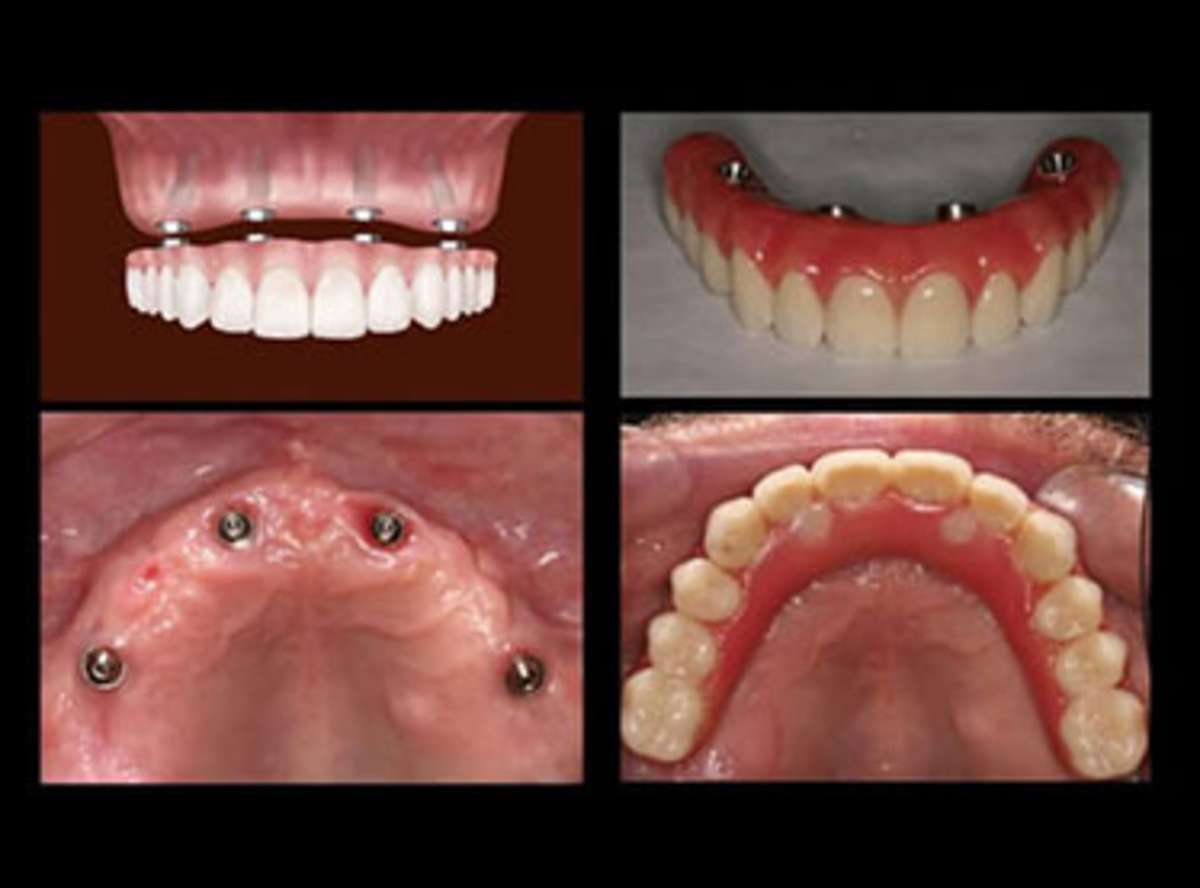
- All-on-4 gives you a fixed arch of 14 teeth on four implants, in most cases without a bone graft, planned from your CBCT scan by Dr. Priyank Sethi, MDS Prosthodontics, PhD.
Your trip to New Delhi takes 3 to 4 days and covers your scan, implants and fixed zirconia teeth, and you start eating soft food within 72 hours.


Overview
All-on-4 gives you a fixed arch of 14 teeth on four implants, in most cases without a bone graft, planned from your CBCT scan by Dr. Priyank Sethi, MDS Prosthodontics, PhD. Your trip to New Delhi takes 3 to 4 days and covers your scan, implants and fixed zirconia teeth, and you start eating soft food within 72 hours. Your treatment is complete in this one trip, covered by a Lifetime Warranty. All-on-4 starts from £1,650 per arch, with 4 implants and 14 crowns included.
All-on-4 exists because conventional implant dentistry frequently demands more bone than edentulous patients have left. When bone loss makes four vertical implants impossible, placing two of those implants at a posterior tilt of 30 to 45 degrees changes the geometry, distributing occlusal force across a longer lever arm and reaching denser anterior bone, so you avoid a bone graft in most cases. Your CBCT scan confirms whether that applies to you. The result is a full-arch fixed prosthesis on four fixtures.
If you are missing most or all of your teeth in one or both jaws, All-on-4 can give you fixed teeth in one surgical appointment, usually with no bone graft and no wait between stages. Your CBCT scan, bone density reading and implant stability measurements decide whether you qualify.
At Stunning Dentistry, All-on-4 follows the protocols prescribed by the American Academy of Implant Dentistry: dual-clinician sign-off before any irreversible surgical step, CBCT-guided planning in coDiagnostiX software, and Straumann, Nobel Biocare or Osstem fixture systems.
Questions about this procedure?
Why Choose Stunning Dentistry for All-on-4
The cost reality. All-on-4 at Stunning Dentistry costs £1,650 per arch, covering four implants and 14 implant crowns. A UK private prosthodontist charges £18,000-£25,000 per arch. That price uses Preferred-tier implants such as Osstem, Dentium or Zimmer; Straumann and Nobel Biocare are available at the Premium tier. Your case is planned on the same CBCT imaging, and the cost table below lists what each fee covers.
Warranty. Every treatment carries a Lifetime Warranty on implants, components and crowns. The warranty document sets out what is covered.
Precision, planned and produced in-house. Every arch is planned and built under one roof: our own in-house dental lab, our own 3D printer for surgical guides and provisionals, and our own quality-assurance sign-off. Restorations are designed on CAD/CAM workflows from TRIOS 3Shape digital impressions and seated on Straumann, Nobel Biocare, or Osstem fixture systems. The tilt angles are calculated from your CBCT in coDiagnostiX, not estimated chairside.
- Lifetime Warranty
- 25+ Super-Specialists
- Forbes India: Best Dental Clinic in India, 4 years in a row
- AAID, AACD, AAO
- 10-year open file
- Dr. Priyank Sethi, BDS, MDS, PhD
Your case is planned by a named lead clinician, executed with dual-clinician sign-off before any irreversible step, and documented for clinical handover to your home dentist in the UK. To weigh the wider decision, read Why India for Dental Treatment and Why Stunning Dentistry. If you are still comparing destinations, see India vs Bali, India vs Turkey, and Are dental implants abroad safe?.
Ready to discuss your options?
What Is All-on-4?
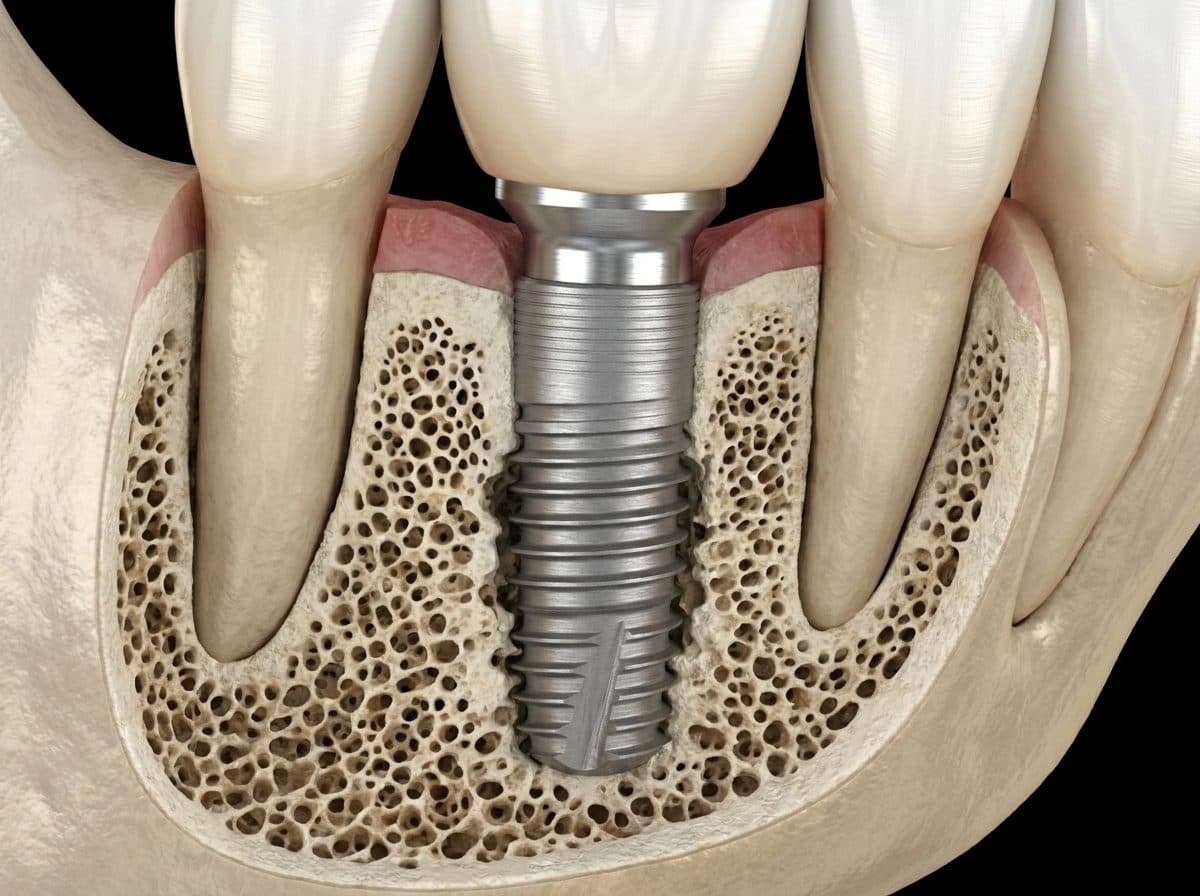
All-on-4 is a full-arch implant reconstruction protocol in which a complete dental arch, typically 10 to 14 teeth, is supported by exactly four endosseous implants. Two implants are placed vertically in the anterior jaw. Two are placed at a 30 to 45-degree posterior tilt, engaging denser cortical bone further from the alveolar ridge and extending the prosthetic anchorage base without grafting.
Malo and colleagues report implant survival of 94.8% and prosthesis survival of 99.5% in the mandible over 7 years of follow-up (reference 1). Soto-Penaloza and colleagues' systematic review reports implant survival of 98.0% across 19 studies (reference 2).
The tilted posterior implants create a wider A-P (anterior-posterior) spread than four vertical implants in the same arch length, reducing or eliminating the distal cantilever that has historically been the mechanical weak point of full-arch prostheses. Prosthetic loading is distributed across the four anchor points in a configuration that responds predictably to masticatory force.
Your lead clinician walks you through this design on your own CBCT scan at your analysis appointment, before you decide anything.
Curious about costs and timelines?
Why Tilted Implants Work
The sinus floor and the mental foramen constrain conventional vertical implant placement in the posterior jaw. Tilted implants bypass both: the posterior pair engages bone anterior to the sinus in the maxilla and anterior to the mental foramen in the mandible, bone that is consistently denser and more available in severely resorbed arches.
Posterior tilting of 30 to 45 degrees increases the A-P spread by 6 to 10 mm compared with four parallel vertical fixtures in the same arch, reducing cantilever length and peak crestal bone stress.
If you are considering All-on-4 because you have been told you do not have enough bone for conventional implants, the tilting mechanism is the clinical answer to that barrier. The question your CBCT will answer is whether your remaining anterior bone has the density and volume to provide adequate primary stability, typically measured as ≥35 Ncm insertion torque or ≥60 ISQ.
At Stunning Dentistry, we use coDiagnostiX software to plan all posterior tilt angles against your specific CBCT anatomy before surgery begins.
Want a personalised Treatment Plan?
Long-Term Survival Data
Every study above that reports a figure shows implant survival above 94%. The lower jaw is denser, so implants there usually reach primary stability more reliably. Both jaws produce clinically acceptable outcomes when patient selection is protocol-driven.
| Study / Source | Follow-Up | Implant Survival | Prosthesis Survival | Notes |
|---|---|---|---|---|
| Malo et al. (2019) | 7 years | 94.8% mandible | 99.5% | Case series, 245 patients |
| Malo et al. (2019) | 7 years | 95.6% maxilla | 93.7% | Case series |
| Soto-Penaloza et al. (2017) | Systematic review | 98.0% | 99.2% | 19 studies, 1,285 patients |
| Francetti et al. (2012) | 5 years | 97.5% | 98.1% | 242 patients, 3 centres |
Questions about this procedure?
Who Is a Candidate?
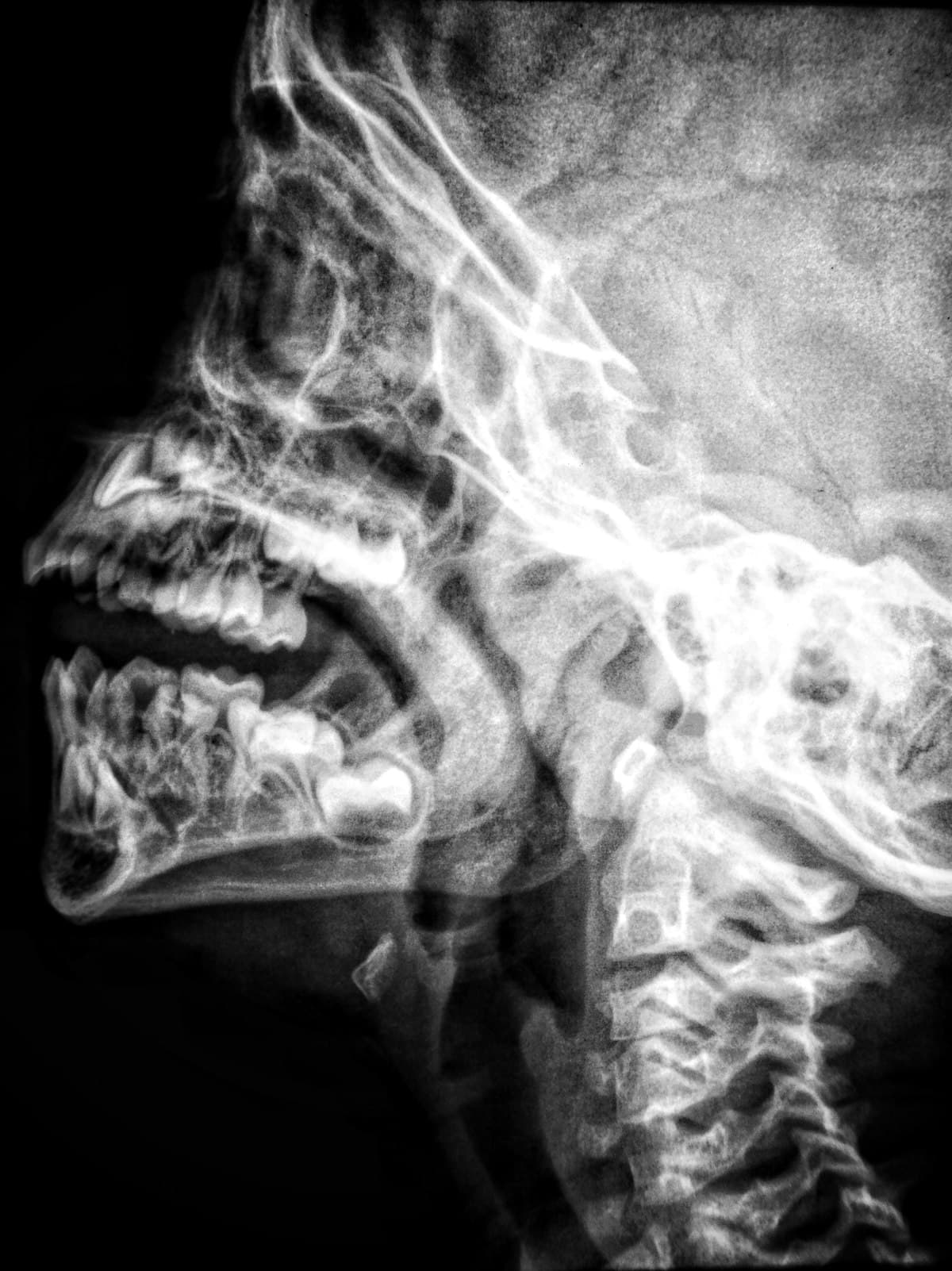
All-on-4 candidacy is determined by bone quantity, bone quality, systemic health, and occlusal load requirements, not age, not tooth count alone. A 45-year-old with advanced periodontitis and insufficient bone may be a stronger All-on-4 candidate than a 70-year-old with a single failing arch.
You are likely a candidate if you have: complete or near-complete edentulism in one or both arches; residual alveolar bone supporting CBCT-verified anterior implant sites; controlled systemic health, with diabetes stabilised first (an HbA1c above 8% needs stabilisation before surgery); and realistic functional expectations. Heavy grinding and bisphosphonate use need specialist review first. Your consultation checks each of these against your scans and blood results.
At Stunning Dentistry, every All-on-4 consultation includes CBCT analysis, ISQ planning, and a systemic health screen before we discuss surgical scheduling. No irreversible step is taken until candidacy is confirmed in writing.
Ready to discuss your options?
Graftless Protocol
The primary reason patients choose All-on-4 over conventional full-arch implant rehabilitation is that it usually avoids bone grafting. Grafting adds a second surgical site, its associated morbidity and additional cost. All-on-4's tilted design usually avoids grafting by reaching bone that is already there.
If you have been told you need bone grafting before implants, ask whether All-on-4's graftless path applies to your anatomy. Some patients told they need a graft before implants turn out to be All-on-4 candidates. Your CBCT evaluation settles it.
At Stunning Dentistry, our graftless protocol applies to All-on-4, All-on-6, and zygomatic implant cases. The decision tree is anatomy-driven: your CBCT determines which graftless path, if any, your bone geometry supports.
Curious about costs and timelines?
Immediate Loading
Immediate loading, placing a functional prosthesis on the day of surgery, is achievable in most All-on-4 cases when primary stability meets the clinical threshold. The fixed prosthesis is load-protected: it is designed for soft-tissue contact, not molar occlusal force, and the patient follows a soft diet for 8 to 12 weeks while osseointegration completes.
You will leave surgery with teeth, not a denture, not a flipper. The provisional is screwed to your implants, and only the clinic removes it, so you speak with fixed teeth from the first day and start eating soft food within 72 hours.
At Stunning Dentistry, immediate loading depends on four checks: insertion torque ≥35 Ncm at each implant, ISQ ≥60 confirmed with the Osstell Beacon, cross-arch splinting, and bruxism and parafunction screening before the provisional is placed. If any check fails during surgery, we stage to delayed loading. When every check passes, you get Teeth in 1 Day.
Want a personalised Treatment Plan?
Benefits
All-on-4 delivers fixed, non-removable teeth in one surgical appointment with no bone grafting in most cases, no removable denture transition in qualifying patients, and fixed zirconia teeth within 72 hours. The functional benefits begin early: you start eating soft food within 72 hours, and chewing force reaches approximately 80% of natural dentition at 4 to 6 months, once the implants have fused.
Your new teeth restore your bite height, spread chewing force across your jaw, support your lips and cheeks, and keep your speech clear.
At Stunning Dentistry, your quality-of-life score, bite force and clinical photographs are recorded before treatment and again at your 12-month review.
Questions about this procedure?

Recovery Timeline
| Phase | Timeframe | Where | What Happens | Your Responsibility |
|---|---|---|---|---|
| Surgical Day | Day 2 of your trip | New Delhi | Implant placement, provisional fixed in mouth | Accompanied transport, do not drive |
| Acute Healing | Days 1 to 7 after surgery | New Delhi, then home | Swelling peaks on days 2 to 3, soft diet, prescribed rinse | Ice 20 min on/off, liquid to soft diet, no straws |
| Early Integration | Weeks 2 to 8 | Home | Osseointegration progresses, provisional functioning | Soft diet maintained, no hard or crunchy foods |
| Provisional Review | Weeks 8 to 10 | Video review with our team or your UK dentist | Healing and occlusion checked from photographs and X-rays | Attend the review, report any implant movement |
| 12-Month Review | Month 12 | Video review with our team or your UK dentist | Periapical X-rays, marginal bone level measured | Attend the review, maintain your cleaning protocol |
Ready to discuss your options?
Complications
Complications in All-on-4 fall into two categories: biological (implant-related) and mechanical (prosthesis-related). Biological complications include peri-implantitis (cumulative 5-year incidence ~8 to 12%), implant fracture (<1%), and sinusitis in maxillary cases involving proximity to the sinus floor. Mechanical complications include abutment screw loosening (most common, managed with re-torquing), prosthesis fracture in hybrid PMMA provisionals, and occlusal wear of the definitive prosthesis over 8 to 12 years.
Your compliance with the aftercare protocol is the largest modifiable risk factor for peri-implantitis. Interdental brush access, water flosser use, and 6-monthly professional cleaning reduce the bacterial load that drives bone loss around implants.
Your informed consent documents set out these complications before surgery. You also receive a written aftercare protocol, an emergency contact number with a documented response commitment, and a briefing for the dentist you choose in the UK, with your full surgical record, for local follow-up.
Curious about costs and timelines?
Comparison Table
| Factor | All-on-4 | All-on-6 | Zygomatic | Overdenture (2-implant) |
|---|---|---|---|---|
| Implant Count | 4 | 6 | 2 to 4 zygomatic + 0 to 4 standard | 2 to 4 |
| Bone Requirement | Moderate anterior | Moderate | Severe atrophy (no posterior) | Low |
| Bone Grafting | None (usually) | None (usually) | None | None |
| Cantilever | Reduced | Minimal or none | None | N/A (removable) |
| Immediate Loading | Yes (gated) | Yes (gated) | Yes (gated) | Yes |
| Prosthesis Type | Fixed | Fixed | Fixed | Removable (snap-on) |
| Timeline to Definitive | Within 72 hours | Within 72 hours | Within 72 hours | 2 to 3 months |
| GBP Cost (Stunning Dentistry) | £1,650 per arch | £1,950 per arch | from £330 per implant | from £800 per arch |
| GBP Cost (UK private) | £18,000-£25,000 per arch | £22,000-£30,000 per arch | £28,000-£38,000 per arch | Varies by clinic |
Want a personalised Treatment Plan?
Cost Factors
All-on-4 cost is determined by five variables: implant system (Straumann SLActive vs Nobel Biocare Active vs Osstem TSIII), prosthesis material (monolithic zirconia vs hybrid metal-acrylic vs PMMA provisional), arch count (single vs dual arch), sedation modality (local + oral sedation vs IV sedation vs general anaesthesia), and ancillary procedures (extractions, bone contouring, sinus management).
Stunning Dentistry: from £1,650 per arch, including four implants and 14 implant crowns. Your fee depends on the five factors above and is fixed in your written quote.
UK private prosthodontist fee: £18,000-£25,000 per arch
NHS: implants are usually only available privately
| Cost Factor | Lower Range | Higher Range | Driver |
|---|---|---|---|
| Implant system | Osstem TSIII | Straumann SLActive | Surface technology, survival data tier |
| Prosthesis material | PMMA hybrid | Monolithic 5Y-TZP zirconia | Material cost, milling time, lab fees |
| Arch count | Single arch | Dual arch (upper + lower) | Volume of surgery and prosthetics |
| Sedation | Oral + local | IV or GA | Anaesthetic fee, monitoring |
| Extractions | None remaining | Multiple surgical extractions | Number and complexity |
Questions about this procedure?

Step-by-Step
Day 1, Scan and Planning: Your cone-beam CT scan is acquired and analysed in coDiagnostiX software. The implant positions, depths, and angles are planned digitally against your bone anatomy. The surgical guide is designed from this plan.
Day 2, Extraction and Site Preparation (if required): Remaining teeth requiring extraction are removed in the same appointment as implant placement. Alveolar bone is contoured where required for prosthetic fit.
Day 2, Implant Surgery: Under local anaesthesia with sedation available, the four implants are placed per the surgical guide plan. Insertion torque is measured at each implant. If all four meet the ≥35 Ncm threshold and ISQ ≥60, the fixed prosthesis is prepared.
Day 2, Fixed Teeth: The fixed prosthesis, pre-fabricated or chairside-milled, is adjusted for occlusion, fitted to the implant abutments, and fixed with prosthetic screws. Occlusal contacts are reduced on the prosthesis to protect primary stability.
Day 3 to 4, Review and Handover: Your occlusion and soft tissue are checked, and you go home with your surgical record for the dentist you choose in the UK.
Weeks 8 to 10, Review and Stability Confirmation: Healing and occlusion are reviewed from photographs and X-rays, by video with our team or with your UK dentist. Your definitive prosthesis was fitted on your one trip, so there is no second trip.
Ready to discuss your options?
Aftercare
Your bridge is fixed, so you clean around and under it in place: interdental brushes (1.0 to 1.5 mm) where the implant meets the gum, a water flosser on medium pressure (not jet), and a soft-headed electric toothbrush for the prosthetic surfaces.
You should expect: 6-monthly professional cleaning with ultrasonic scaler and subgingival access; annual radiographic review for marginal bone levels; and prosthesis removal for deep cleaning every 3 to 5 years. The bridge is screwed in place, so the clinic can remove it for deep cleaning in under 30 minutes.
At Stunning Dentistry, you receive a written aftercare protocol at definitive delivery. Your UK home dentist receives a clinical handover document specifying implant specifications, torque values, prosthesis materials, and the cleaning protocol. This handover is included in the Dental Angel service.
Curious about costs and timelines?
Aftercare Responsibility Split
| Task | Frequency | Who | How |
|---|---|---|---|
| Daily brushing of prosthesis surfaces | Twice daily | Patient | Soft electric toothbrush |
| Interdental brush under prosthesis | Daily | Patient | Size 1.0 to 1.5 mm Curaprox or TePe |
| Water flosser irrigation | Daily | Patient | Medium pressure, 45° angle at gingival margin |
| Professional ultrasonic cleaning | Every 6 months | Home dentist | Subgingival access around each abutment |
| Periapical X-ray for bone levels | Annually | Home dentist | 4 periapical films at implant sites |
| Occlusal check and screw torque | Annually | Home dentist or Stunning Dentistry | Torque driver to 15 to 25 Ncm per abutment |
| Prosthesis removal and deep clean | Every 3 to 5 years | Stunning Dentistry or referred prosthodontist | Full removal, clean, re-insertion |
Want a personalised Treatment Plan?
When All-on-4 Is Not Recommended
All-on-4 is contraindicated when the conditions that make it effective cannot be confirmed: anterior bone volume, achievable primary stability and manageable parafunction. The procedure's biomechanical logic depends on tilted posterior implants and a specific anterior-posterior spread; if the bone geometry cannot support that arrangement, the risk profile changes materially.
You should not proceed with All-on-4 while any of these apply: active, uncontrolled gum disease in your remaining teeth; too little front-jaw bone for four implants without grafting; HbA1c above 8%; an active oral or general infection; or intravenous bisphosphonate therapy. Heavy grinding needs a night-splint plan and may mean delayed loading. In each case the implant's primary stability, healing environment or long-term bone maintenance cannot be reliably predicted.
At Stunning Dentistry, we document contraindications explicitly in the treatment planning record before any surgical scheduling. If All-on-4 does not suit your anatomy or health, we explain the alternative in writing: All-on-6, zygomatic implants or staged rehabilitation, with the clinical reason for the recommendation.
| Contraindication | Type | Path Forward |
|---|---|---|
| Insufficient anterior bone (no grafting plan) | Absolute | Zygomatic implants or phased bone graft |
| Uncontrolled diabetes (HbA1c above 8%) | Absolute until stabilised | Defer until stabilised, then re-evaluate |
| Active oral or systemic infection | Absolute until resolved | Treat infection, 6-week wait, re-plan |
| Heavy unmanaged bruxism | Relative | Night splint protocol + delayed loading |
| IV bisphosphonate therapy | Absolute | Oncology/prescriber consultation required |
| Oral bisphosphonate, low-dose, short-term | Relative | Risk stratification with prescriber |
| Intra-operative stability check not met | Converts to staged protocol | Delayed loading at 8 to 12 weeks |
Questions about this procedure?
Myths vs Reality
"Four implants aren't enough to hold a full arch."
Published studies report implant survival of 94.8% to 98.0% and prosthesis survival above 93.7% (references 1 and 2). Four implants are sufficient when tilted correctly and the A-P spread is adequate, which CBCT planning confirms before surgery.
"All-on-4 is a budget option."
All-on-4 uses fewer implants, and the planning is more exacting: each tilt angle is calculated on your CBCT and placed through a surgical guide.
"You'll need bone grafts anyway."
The tilted design was engineered to avoid grafting in the majority of atrophic cases. Some patients present with anatomy that still requires augmentation, and your CBCT shows which group you are in.
"Same-day teeth are a marketing claim."
Immediate loading depends on primary stability measurements made during surgery. Torque and ISQ thresholds are checked at each implant, so it is offered where your bone quality supports it.
"Implants fail frequently."
Published All-on-4 series report implant failure rates of 2% to 5.2% (references 1 and 2).
Ready to discuss your options?
People Also Ask
How long do All-on-4 implants last in the UK?
Your implants usually outlast the teeth fixed on them.
Published studies report implant survival of 94.8% to 98.0% and prosthesis survival of 93.7% to 99.5% (references 1 and 2). Your prosthesis usually needs refinishing or replacing at 10 to 15 years, and zirconia lasts longer than acrylic. Your Lifetime Warranty sets out what is covered.
Is All-on-4 painful?
All-on-4 surgery is performed under local anaesthesia with sedation options available for patients who require it.
The procedure itself produces pressure sensation, not pain. Post-operative discomfort is managed with prescription analgesics for the first 3 to 5 days; most patients describe it as comparable to a complex tooth extraction.
Can I eat normally with All-on-4?
You start eating soft food within 72 hours, on fixed teeth.
Keep to a soft diet for 8 to 12 weeks while the implants fuse. Once the implants have fused at 4 to 6 months, you chew at about 80% of natural teeth and can eat almost anything except ice, hard candy and bones.
How much does All-on-4 cost in the UK?
A private clinic in the UK typically charges £18,000-£25,000 per arch for All-on-4.
On the NHS, implants are usually only available privately. At Stunning Dentistry in New Delhi, All-on-4 starts from £1,650 per arch with 4 implants and 14 crowns included, and you receive a written GBP quote after your scan.
What is the difference between All-on-4 and All-on-6?
All-on-4 uses four implants with posterior tilt to maximise A-P spread; All-on-6 uses six implants with reduced or no distal cantilever.
All-on-6 is indicated for larger arches, heavier bite forces, monolithic zirconia restorations requiring maximum support, and cases where cantilever reduction is the clinical priority.
Curious about costs and timelines?
Ask Your Doctor
1. What is my measured A-P spread on CBCT and does it support a full-arch prosthesis on four implants without cantilever risk?
2. What are the planned tilt angles for my posterior implants and which bone layer are they engaging?
3. What insertion torque and ISQ thresholds do you use as the gate for same-day loading?
4. If same-day loading is not achievable on the day, what is the staged alternative?
5. Which implant system do you use and what is its published 10-year survival data?
6. What prosthesis material will my provisional be, and what is my definitive prosthesis plan?
7. What is the warranty on the implants and the prosthesis?
8. What is the protocol if I develop peri-implantitis after I return to the UK?
9. How will my UK dentist be briefed on my case, and what documentation will they receive?
10. What does the aftercare protocol require of me, and what happens if I miss a cleaning appointment?
Want a personalised Treatment Plan?
For UK Patients
UK patients considering All-on-4 face a specific structural problem: UK private prosthodontists charge £18,000-£25,000 per arch for implant-based full-arch reconstruction, and the NHS offers implants only in narrow clinical-need cases.
On the NHS, implants are usually only available privately, so routine full-arch work is a private cost. UK private dental plans and cash plans cap annual cover well below a full-arch case and most exclude implants, so ask your insurer for a written predetermination before you travel. You fund treatment from your own funds.
If you are weighing All-on-4 abroad, you will want to know whether the standard of care matches the UK's, whether the implants are the same, and what happens if something goes wrong at home. Stunning Dentistry places Straumann, Nobel Biocare and Osstem implants, systems also used by UK clinics, and your surgical record transfers to your UK dentist.
At Stunning Dentistry, UK patients receive the Dental Angel service: pre-departure consultation, airport transfer, accommodation coordination, daily clinical check-in during the surgical week, and a written clinical handover for their UK dentist. The handover document includes implant specifications, torque values, prosthesis materials, and the full aftercare protocol, so your home dentist has everything they need for your annual review.
Questions about this procedure?

GBP Cost Table
Your written GBP quote lists every clinical item before you travel.
| Item | Stunning Dentistry (GBP) | UK Private Clinic (GBP) |
|---|---|---|
| All-on-4, one arch (4 implants + 14 crowns) | from £1,650 | £18,000-£25,000 |
| CBCT scan and surgical guide | Included in the quote | Varies by clinic |
| IV sedation, if you choose it | Quoted separately if you choose it | Varies by clinic |
Ready to discuss your options?
Decision Framework
| Question | If Yes | If No |
|---|---|---|
| Is your bone anatomy confirmed as All-on-4 compatible by CBCT? | All-on-4 is indicated | Evaluate All-on-6 or zygomatic |
| Do you have a complex medical history requiring in-country specialist oversight? | Consult local oral surgeon first | Proceed with evaluation |
| Do you have a UK dentist willing to follow the handover protocol? | Proceed | We brief the dentist you choose in the UK and send your full surgical record |
| Is the UK fee within your budget without compromising your financial position? | Consider a UK clinic | Evaluate Stunning Dentistry |
Curious about costs and timelines?
Pre-Travel Checklist
| Item | Status |
|---|---|
| CBCT scan from a UK dental clinic (if available), sent in advance | ☐ |
| Full medical history form completed and submitted to Stunning Dentistry | ☐ |
| Medications list including bisphosphonates, blood thinners, diabetes medications | ☐ |
| UK dentist briefed on planned treatment and willing to receive handover | ☐ |
| Return flights booked: 3 to 4 days in New Delhi | ☐ |
| Accommodation arranged (Stunning Dentistry Dental Angel can coordinate) | ☐ |
| Travel insurance covering dental complications confirmed | ☐ |
| Soft food provisions planned for post-surgical week | ☐ |
| Emergency contact number for Stunning Dentistry saved | ☐ |
Want a personalised Treatment Plan?
Questions about this procedure?
Clinical References
1. Malo P, de Araujo Nobre M, Lopes A, et al. All-on-4 treatment concept for the rehabilitation of the completely edentulous mandible: A 7-year clinical and 5-year radiographic retrospective case series. Clin Implant Dent Relat Res. 2019.
2. Soto-Penaloza D, Zaragozí-Alonso R, Penarrocha-Oltra D, Penarrocha-Diago M. The All-on-Four treatment concept: systematic review. J Clin Exp Dent. 2017;9(3):e474 to e488.
3. Francetti L, Romeo D, Corbella S, Taschieri S, Del Fabbro M. Bone level changes around axial and tilted implants in full-arch fixed immediate restorations. Int J Periodontics Restorative Dent. 2012.
4. Krekmanov L, Kahn M, Rangert B, Lindstrom H. Tilting of posterior mandibular and maxillary implants for improved prosthesis support. Int J Oral Maxillofac Implants. 2000;15(3):405 to 414.
5. Babbush CA, Kanawati A, Kotsakis GA, Hinrichs JE. Patient-related and financial outcomes of the all-on-four immediate function treatment concept. Implant Dent. 2014;23(2):195 to 203.
Ready to discuss your options?
Ready to Start?
Every case is planned by a named lead clinician and backed by a Lifetime Warranty. Send your scans or a photo for a no-obligation clinical assessment, or book a free video consult to go through your options.
Curious about costs and timelines?
Specialist-only treatment planning
- Remote file review before travel
No waiting list for eligible cases
- Evidence-led treatment checkpoints
Trip coordinated with care timeline
- 24/7 CRM from your first message to your flight home
Our Partners







Why Us
Frequently Asked Questions
Do I need to remove my All-on-4 prosthesis to clean it?
No, the prosthesis is fixed with prosthetic screws and is not removed by the patient. Daily cleaning is performed in-mouth using an interdental brush (1.0 to 1.5 mm) and water flosser. Professional removal for deep cleaning is recommended every 3 to 5 years.
What happens if one of the four implants fails?
If one implant fails, your bridge can usually stay in place on the other three while the site heals and a new implant is planned. Your UK dentist assesses it first and our team reviews the X-rays. Your Lifetime Warranty sets out what is covered.
Can I have All-on-4 if I have been told I have too little bone?
CBCT imaging is required to determine whether your anterior bone supports the All-on-4 graftless protocol. Many patients referred for grafting before conventional implants are in fact All-on-4 candidates. Some are zygomatic implant candidates. The evaluation determines your path.
How many trips to India does All-on-4 require?
Plan on one trip to New Delhi. It takes 3 to 4 days: your implants are placed, your fixed teeth are fitted, and you start eating soft food within 72 hours. There is nothing to come back for. ---
See your new smile instantly!

Before & After Results
Clinical Transformation
Successfully treated international patients from around the globe.
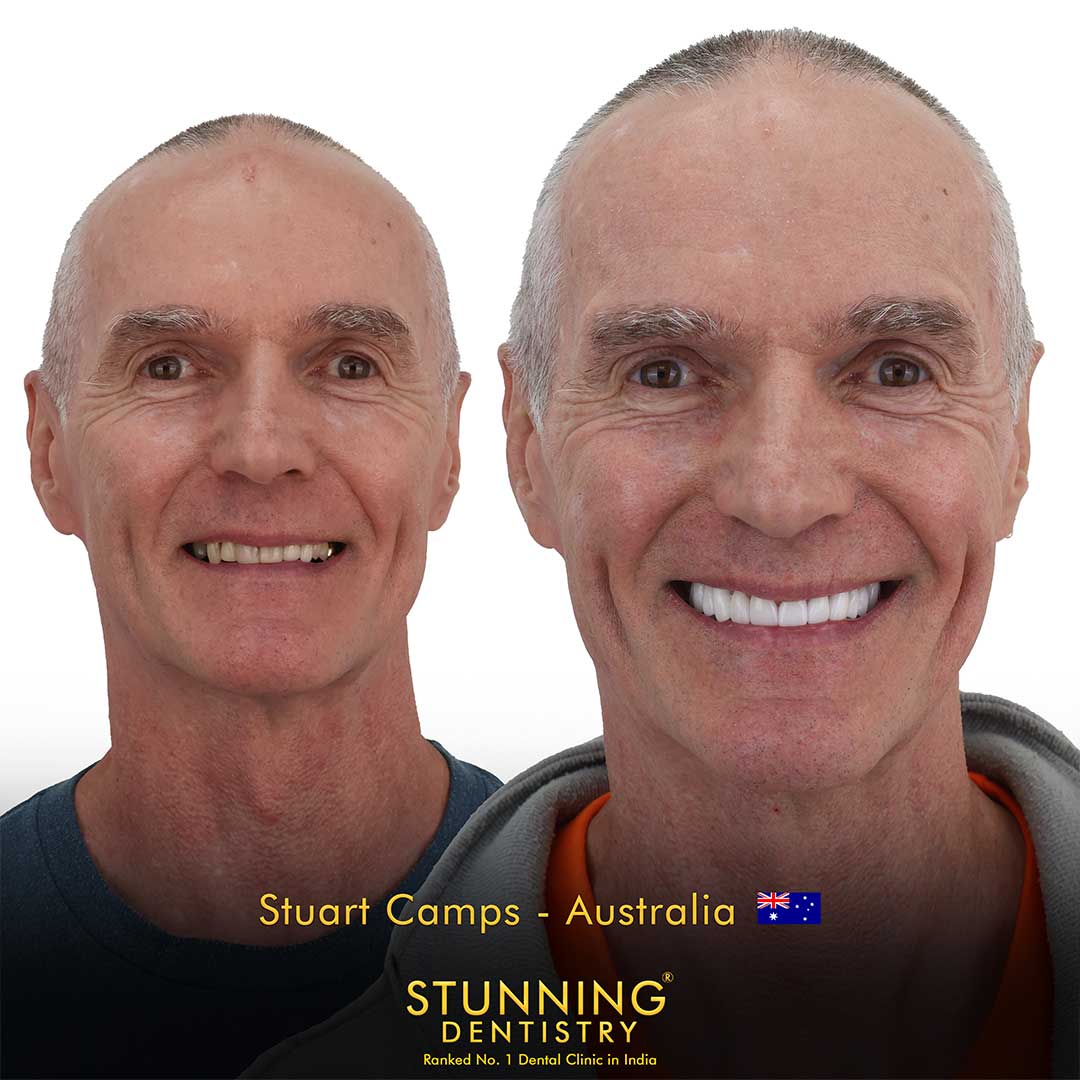
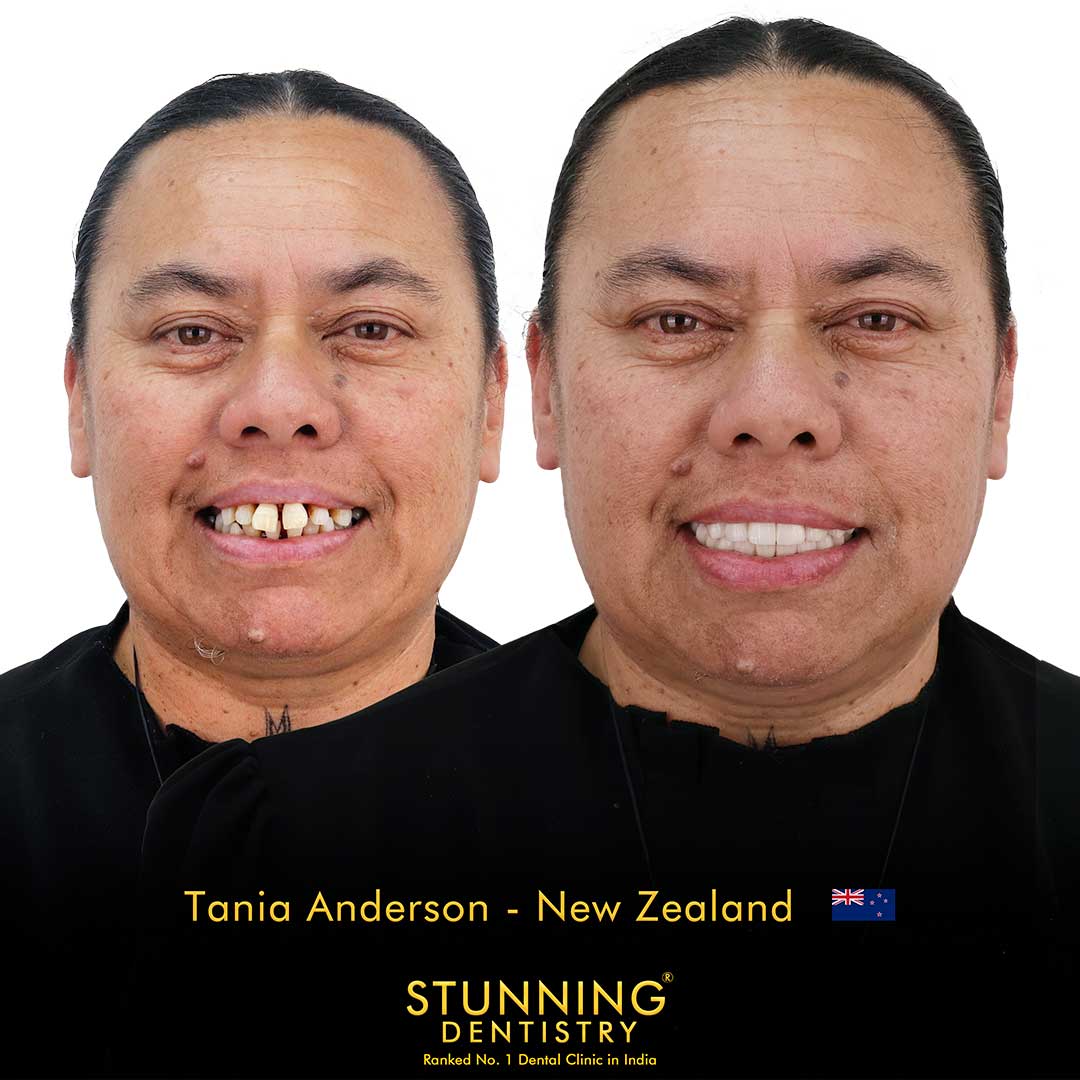
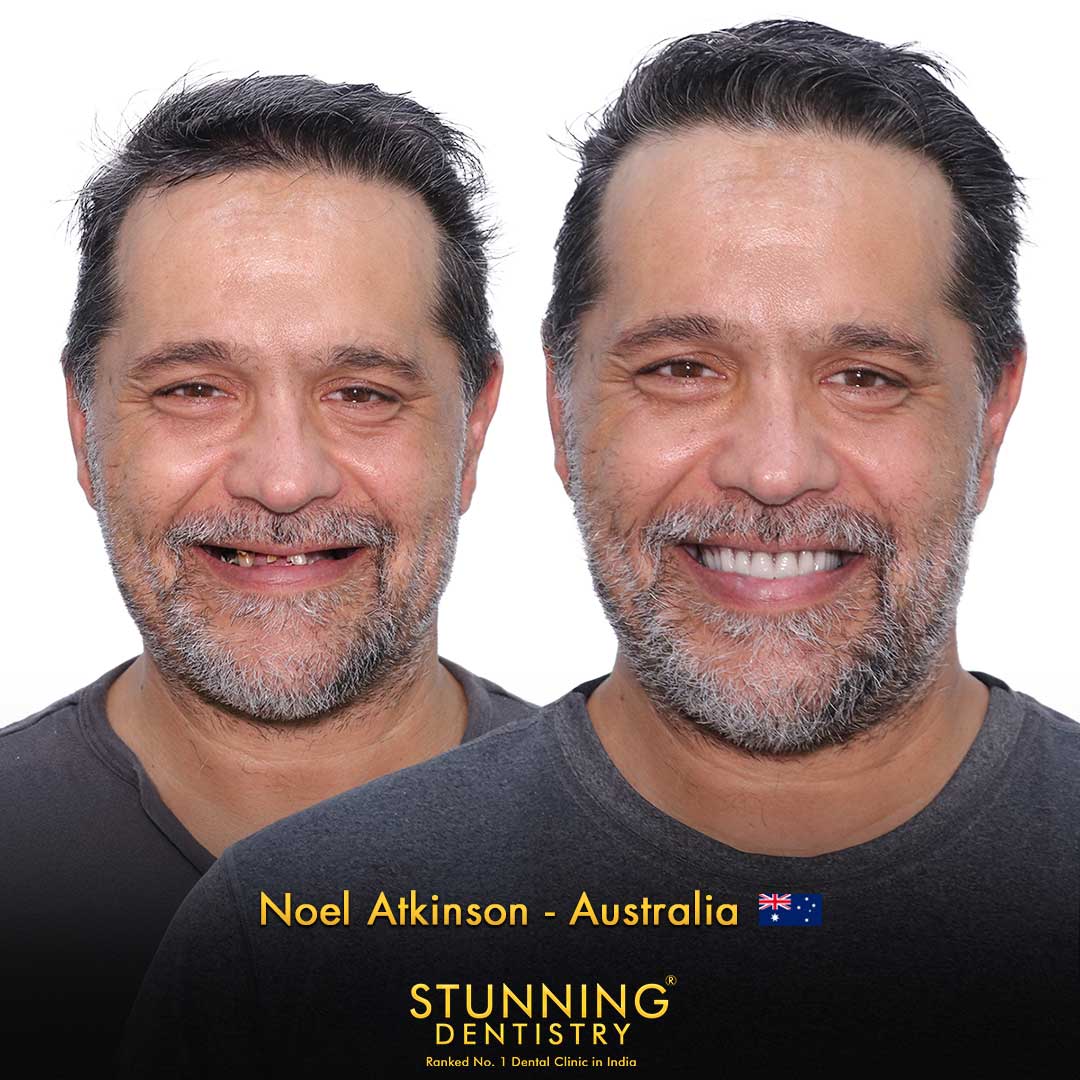
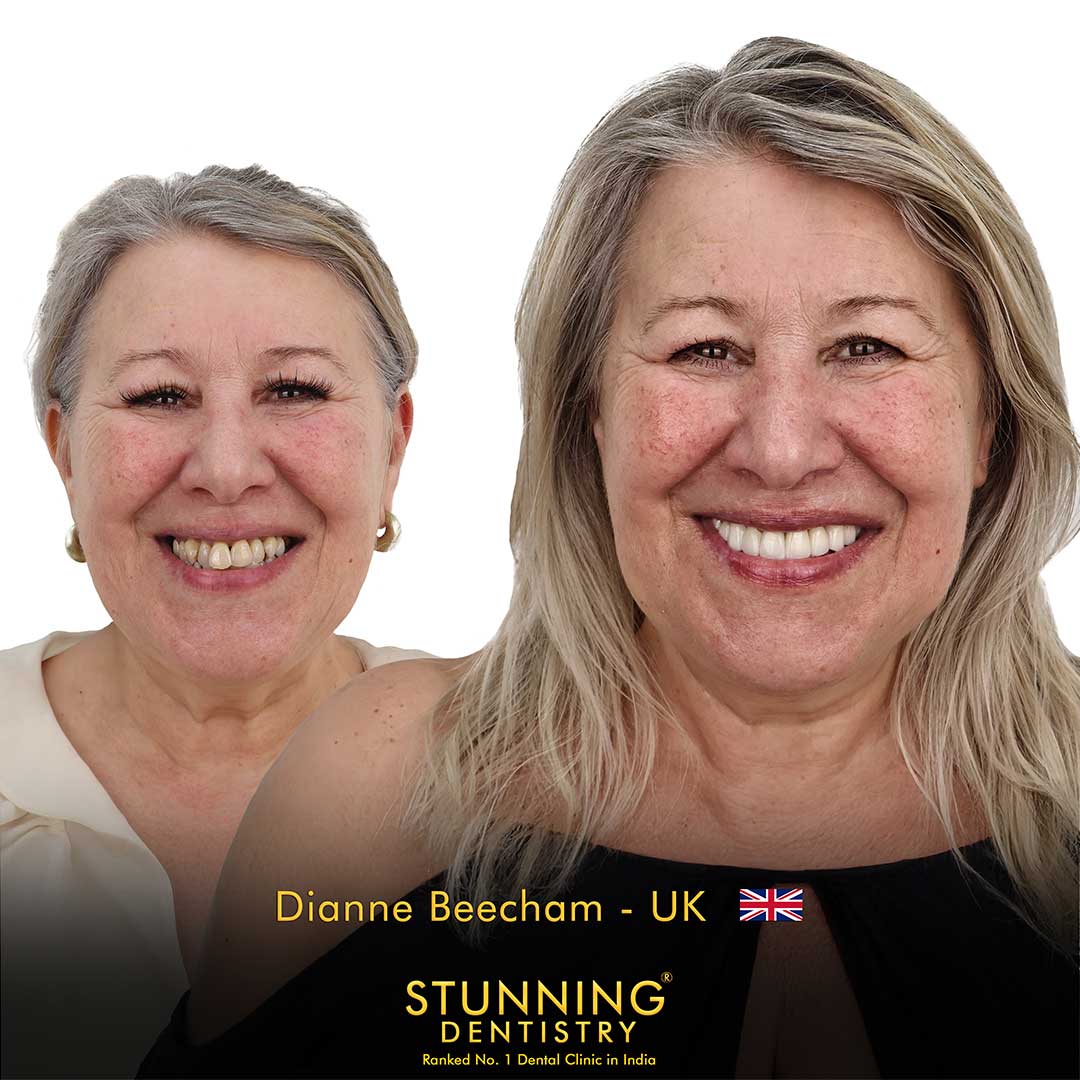
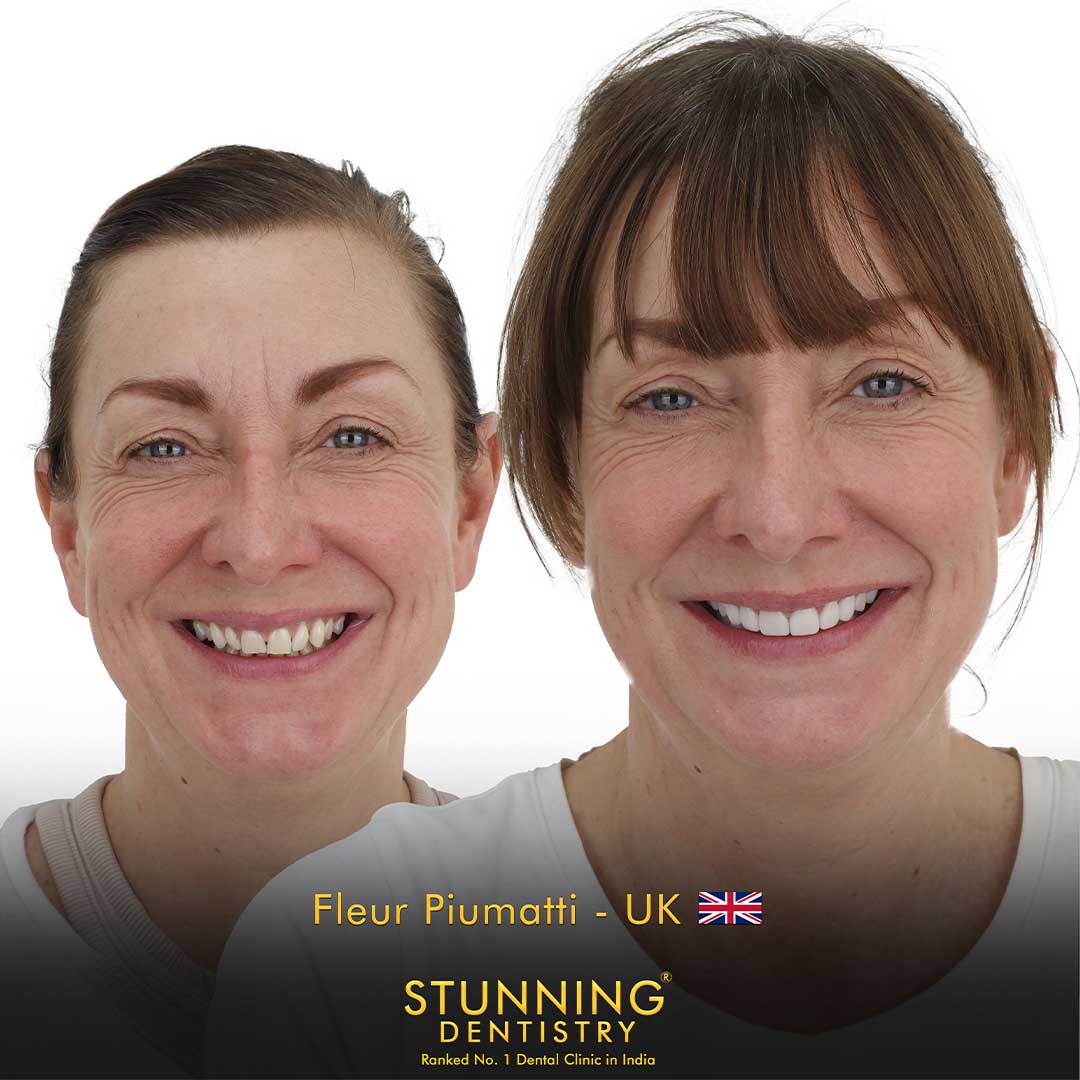
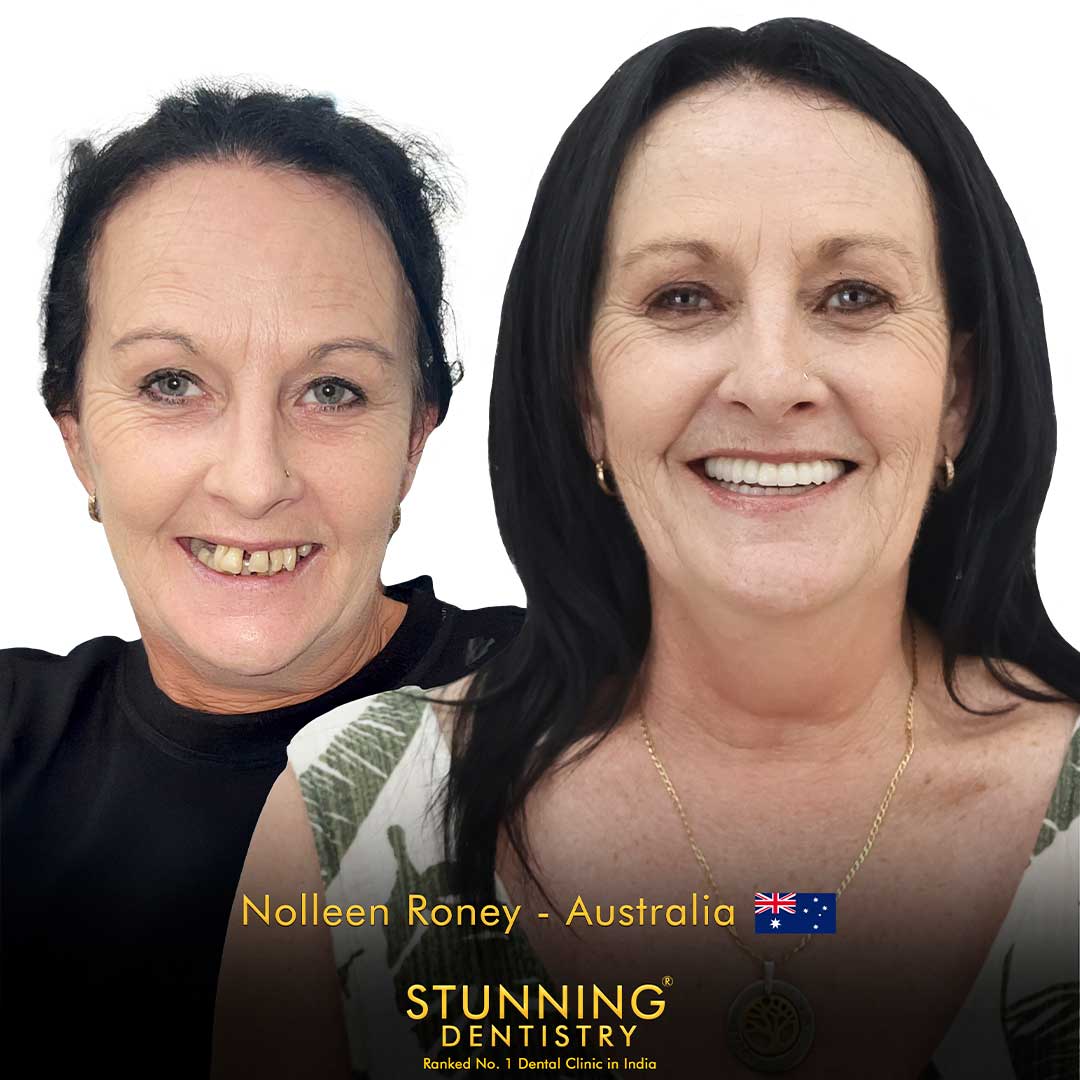
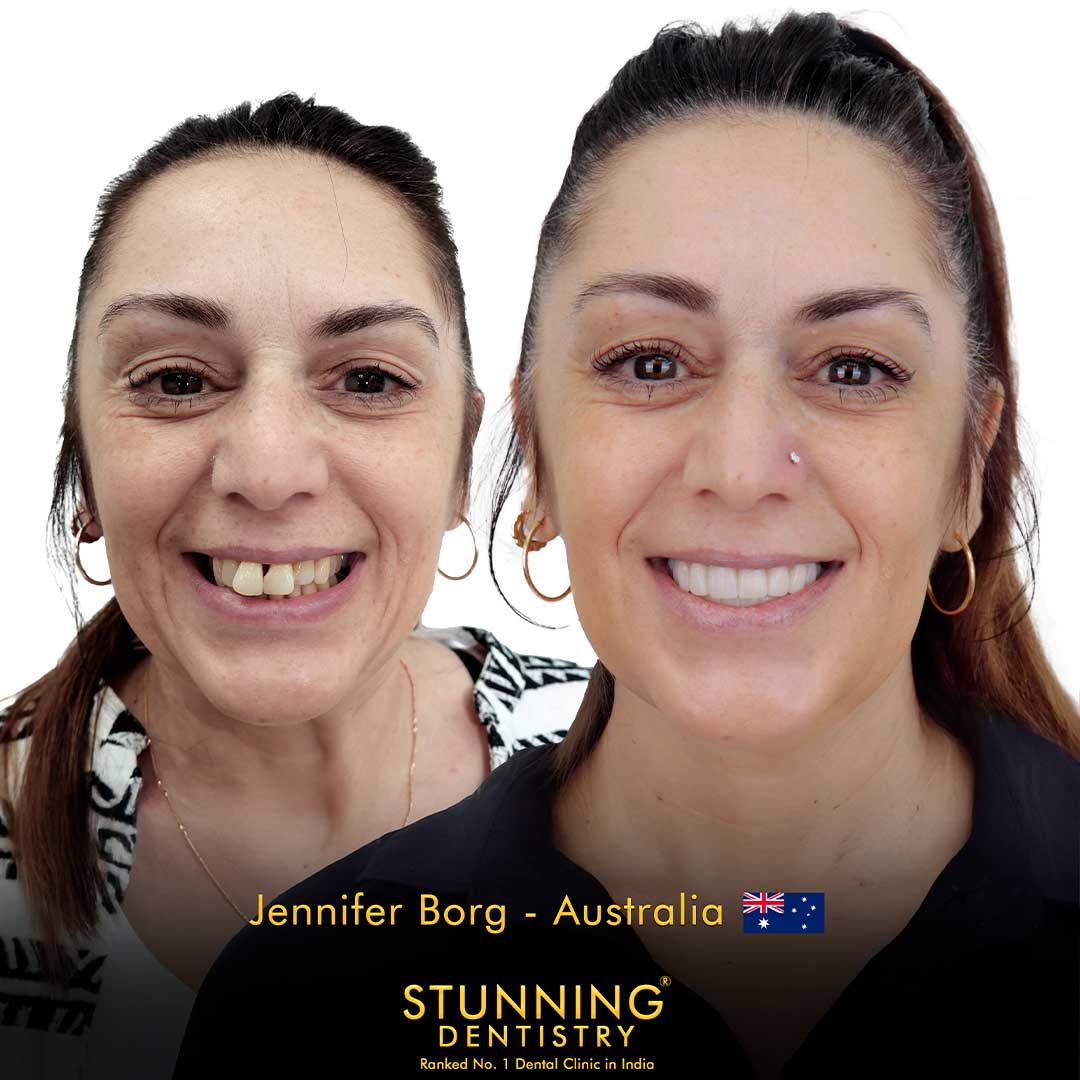
All on 6 Implants
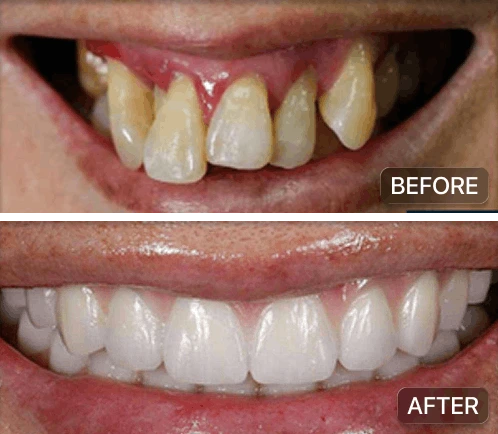
Full Mouth Implants
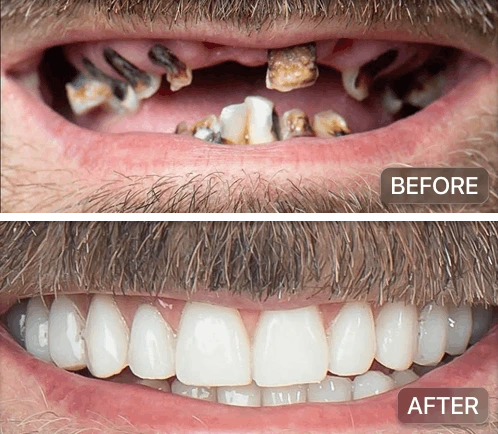
Full Mouth Implants
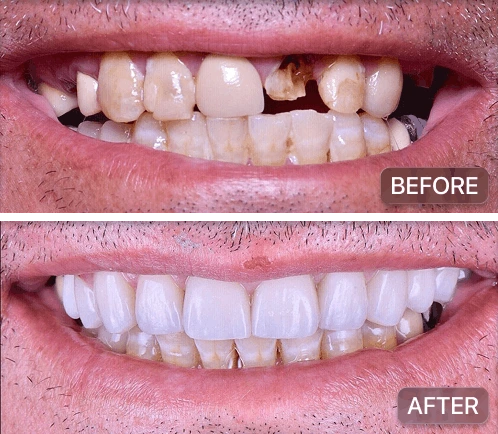
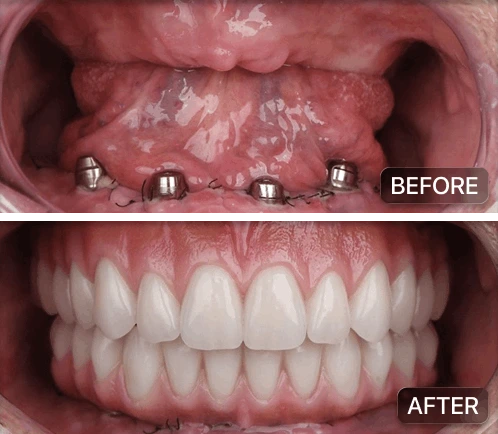
All on 4 Implants
Recognised for patient care
Internationally Recognised
Ranked No. 1 in India, four years in a row.
We won! The Prestigious Patient Service Award
Awarded in recognition of excellence in patient experience