20 Surgical OperatoriesForbes India #1 - 4 Consecutive Years25+ Super-Specialists4.8 Trustpilot - Verified Reviews17+ Speciality DepartmentsStraumann - Nobel Biocare - OsstemLifetime WarrantyAAID - AACD - AAO - BACD - ISO 9001:2015Same-Day Teeth24 / 7 CRM SupportDr. Priyank Sethi - MDS - PhD - India's #1Airport Transfer - Hotel - Visa Guidance20 Surgical OperatoriesForbes India #1 - 4 Consecutive Years25+ Super-Specialists4.8 Trustpilot - Verified Reviews17+ Speciality DepartmentsStraumann - Nobel Biocare - OsstemLifetime WarrantyAAID - AACD - AAO - BACD - ISO 9001:2015Same-Day Teeth24 / 7 CRM SupportDr. Priyank Sethi - MDS - PhD - India's #1Airport Transfer - Hotel - Visa Guidance
Stunning Dentistry

Sinus Lift (Maxillary Sinus Augmentation), Rebuilding Posterior Upper-Jaw Bone Below the Schneiderian Membrane So Implants Become Possible

From the Doctor's Desk ,Stunning Dentistry

Overview

A sinus lift, clinically termed maxillary sinus floor augmentation, is the regenerative surgical procedure that restores vertical bone beneath the floor of the maxillary sinus, so that dental implants of adequate length (typically 8 to 13 mm) can be placed and loaded in the posterior upper jaw. It is not cosmetic. It is not a shortcut. It is the single most reliably documented bone-regeneration procedure in implant dentistry, and for many UK patients with a long-standing upper-back tooth gap, it is the gateway step that makes fixed teeth possible at all.

This is not a shortcut. It is an engineered protocol backed by more than four decades of clinical evidence, published across Pjetursson 2008, Del Fabbro 2004, Aghaloo and Moy 2007, Jung 2019, Testori 2020, and hundreds of supporting primary studies.

For patients reading from the UK

The sinus lift you would be offered in a London, Manchester, Birmingham, Leeds, or Edinburgh oral-surgery or periodontal practice is the same procedure we perform at Stunning Dentistry, the same Tatum-derived lateral window, the same Boyne-James principles, the same Bio-Oss 1–2 mm particle size as the space-maintaining graft, the same Geistlich Bio-Gide 13×25 mm collagen membrane to cover the antrostomy, the same piezosurgical P1 tip to cut the window without violating the Schneiderian membrane. 3 mm voxel resolution for both planning and verification, and your total out-of-pocket, including flights from Heathrow, Gatwick, or Manchester, sits well under a single UK specialist quote for the same surgical step.

At Stunning Dentistry

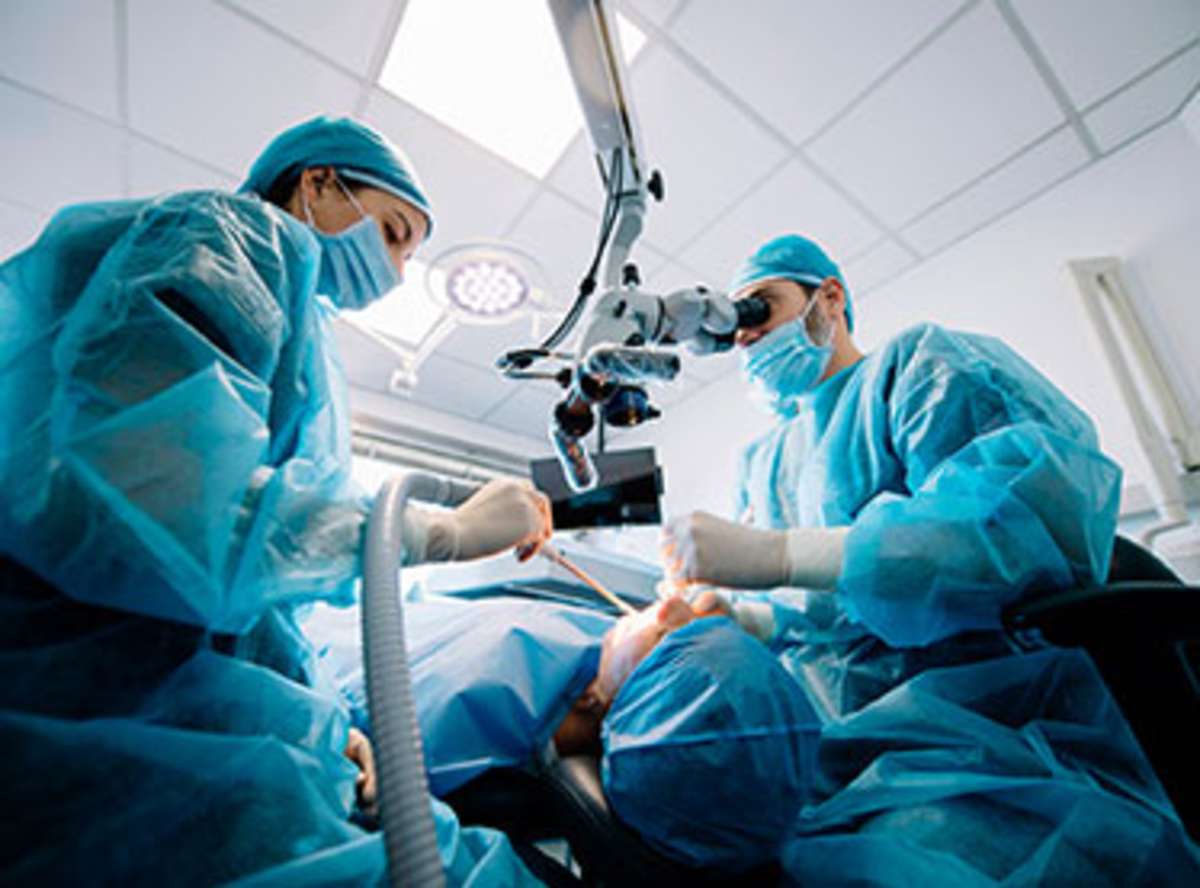
3 mm voxel resolution. Dr. Priyank Sethi personally supervises the first twenty minutes of every lateral-window dissection performed at our flagship Hyderabad hospital, and every perforation greater than 5 mm triggers the SD-SIN-04 repair protocol without exception, documented, timestamped, and added to your clinical record so any reviewing clinician anywhere in the world can read what was done and why.

What Is Sinus Lift?

A sinus lift is a bone-regeneration surgery that elevates the Schneiderian membrane, the thin respiratory mucosal lining of the maxillary sinus, upward and away from its natural floor, creating a contained compartment into which bone graft material is packed. Over the following four to eight months, that graft consolidates into mature, vascularised bone with sufficient density and volume to anchor dental implants of normal length.

  • Lateral window sinus lift (Tatum / Boyne-James): a rectangular or oval antrostomy is cut into the lateral wall of the maxilla, the membrane is gently separated from the underlying bone around the periphery of the window, the window bone is infractured inward (or removed and later replaced as a "BoneHouse" preserved lid), and graft is placed into the elevated space. This is the technique of choice when RBH is 1–5 mm.
  • Transcrestal (crestal, Summers) sinus lift: a small-diameter osteotomy is prepared from the crest of the alveolar ridge upward to the sinus floor, the floor is infractured by controlled osteotome tapping or hydraulic pressure, the membrane is elevated in a dome 2–4 mm above its native position, and graft (or in some protocols, the implant itself acting as a tenting device) fills the created void. This is selected when RBH is 5–8 mm and the planned elevation is modest.

The Biomechanical and Biological Design

  • Residual bone height (RBH) governs technique selection. Misch's 1987 classification bands RBH into four categories (SA-1 through SA-4). The Cho classification further refines this with implant-system-specific thresholds. A 5 mm RBH is the single most important decision threshold in the published consensus, below 5 mm, a lateral window is favoured; at or above 5 mm, transcrestal is typically preferred.
  • Schneiderian membrane physiology. The membrane is a pseudostratified ciliated columnar epithelium measuring 0.13 to 0.5 mm in thickness in health. Cilia clear mucus toward the natural ostium at the superomedial sinus wall; any procedure that obstructs the ostium places graft healing at risk of sinus-pressure-driven displacement. On axial CBCT at 0.5 mm cuts we measure membrane thickness at the planned antrostomy site, a membrane thicker than 3 mm raises the index of suspicion for sinusitis, chronic rhinosinusitis, or a retention cyst, and triggers an ENT clearance referral before surgery.
  • Graft material choice. Deproteinised bovine bone mineral (DBBM, most commonly Bio-Oss in 0.25–1 mm or 1–2 mm particle size) is the graft of choice for sinus indications because of its slow resorption profile, the sinus compartment must hold volumetric space for four to eight months against atmospheric sinus pressure, and a rapidly resorbing graft collapses the elevation before bone can mature.
  • Antrostomy window design. Bevelled edges with internal greenstick hinge (in-fracturing the window lid and leaving it as a biological ceiling on the graft) is the preferred design in most modern protocols; alternatively, the window is removed intact and replaced as a "BoneHouse" autogenous lid at closure.
  • Barrier membrane. A resorbable collagen membrane (Geistlich Bio-Gide 13×25 mm is our standard sheet size) is placed over the lateral antrostomy before flap closure to exclude soft tissue ingrowth and retain graft particles.
  • Simultaneous or staged implant placement is determined by primary stability at the time of lift. If RBH of 5 mm or greater permits primary stability of at least 35 Ncm in the elevated site, implants are placed in the same surgery. If RBH is under 5 mm, the lift is staged, graft is placed first, left to mature for six to eight months, and implants are placed at a second surgery.

What a Sinus Lift Is Not

  • It is not a procedure that alters the shape or appearance of the face externally
  • It is not a sinus surgery for sinusitis, although we coordinate with ENT colleagues when pre-existing sinus disease requires clearance first
  • It is not a procedure that removes any part of the sinus, the membrane, or native sinus mucosa
  • It is not cosmetic dentistry. It is a reconstructive bone-regeneration surgery whose sole purpose is to enable definitive implant placement in the posterior maxilla

At Stunning Dentistry

25–1 mm Bio-Oss with autogenous cortical shavings (harvested from the antrostomy bone during window preparation) when biological turnover needs to be accelerated. These product and dimensional choices are written into SOP document SD-SIN-02, reviewed quarterly against the Jung 2019 long-term stability dataset, we use the same material the published evidence was generated with, not a cost-driven substitute.

Why Choose Sinus Lift, The Clinical Case

A sinus lift is not an elective layer you add to a treatment plan. It is the specific solution to a specific anatomical deficiency, insufficient vertical bone beneath the floor of the maxillary sinus to anchor an implant. Here is the clinical reasoning that leads a prosthodontic-surgical team to recommend sinus augmentation.

1. It Creates Bone Where the Anatomy Has Taken It Away

2. It Preserves Natural Bite Function and Arch Support

3. It Avoids Overloaded Cantilevers and Short-Implant Compromises

4. It Is the Evidence Base, Not an Experiment

5. It Is a One-Time Investment and Preserves Future Options

6. It Avoids the Surgical Morbidity of Iliac-Crest Autogenous Grafting

The historic alternative to sinus augmentation in severely atrophic maxilla was autogenous onlay grafting, harvesting bone from the iliac crest, shaping it as a vertical block, and waiting 6–12 months for consolidation before implants could be placed. Modern sinus-lift protocols with DBBM achieve comparable or better outcomes without a second surgical site, without iliac donor-site pain, and without the extra 6–12 month integration window. In the UK context, iliac-crest harvest is now a rare indication, reserved for severe maxillofacial cases managed within NHS maxillofacial units for oncologic or traumatic reconstruction, not for elective implant-site preparation.

At Stunning Dentistry

We recommend a sinus lift only when the CBCT, the clinical history, and the combined prosthodontic-surgical team judgement confirm that a standard-length implant cannot safely be placed without one. The order of priority does not get reversed.

The Schneiderian Membrane and the Anatomy That Governs the Procedure

The single anatomical structure that determines the success of every sinus lift is the Schneiderian membrane, the thin respiratory mucosal lining that covers the entire internal surface of the maxillary sinus. Understanding its histology, its blood supply, its drainage, and its relationship to the alveolar bone below is the difference between a routine sinus lift and a complicated one.

Membrane Histology and Thickness

The Ostium and Sinus Drainage

The Posterior-Superior Alveolar Artery

Underwood Septa

The Alveolar Recess and Residual Bone Height

  • SA-1: RBH 10 mm or more, no lift required, standard implant placement
  • SA-2: RBH 8–10 mm, transcrestal lift with a modest 2–3 mm elevation is usually sufficient
  • SA-3: RBH 5–8 mm, transcrestal or lateral window, with simultaneous implant placement if primary stability can be achieved
  • SA-4: RBH under 5 mm, lateral window, with staged implant placement (lift first, implants six to eight months later)

The Cho classification further refines these bands with implant-system-specific thresholds (where primary stability at 35 Ncm requires more native bone for some implant designs than others). Our RBH measurement is done on coDiagnostiX at the exact planned implant position, not at an arbitrary point on the ridge.

At Stunning Dentistry

5 mm intervals. No sinus lift goes to theatre without it.

Long-Term Survival Data

Sinus augmentation is one of the most rigorously studied procedures in implant dentistry, with four decades of published follow-up spanning primary studies, meta-analyses, and systematic reviews.

Implant Survival Following Sinus Augmentation (Pooled Data)

  • Implant cumulative survival rate: 90.1% at three or more years post-loading in sinus-grafted sites
  • Implant survival stratified by surface: rougher implant surfaces (SLA, TiUnite) outperform turned surfaces in grafted sinus sites
  • Graft material: DBBM-based protocols and autogenous-DBBM composites showed the most consistent long-term outcomes; pure autogenous grafts alone showed higher early resorption
  • Technique: lateral-window outcomes were comparable to transcrestal for matched RBH cohorts

Del Fabbro 2004 Meta-Analysis

  • Overall implant survival in sinus-grafted sites: 91.5%
  • Simultaneous placement survival: 92.2%
  • Staged placement survival: 90.1%
  • Autogenous graft material: 87.7% survival
  • 100% biomaterial (DBBM/alloplast) graft: 95.98% survival
  • Autogenous + biomaterial composite: 94.9% survival

Aghaloo and Moy 2007 and Jung 2019, Graft Material and Long-Term Stability

Testori 2020, Complications Review

  • Membrane perforation rate: 10–35% depending on technique, operator experience, and the presence of Underwood septa. Piezosurgical antrostomy reduces perforation rate by approximately 30% compared to rotary antrostomy (Vercellotti data)
  • Post-operative maxillary sinusitis: 4.8% across contemporary series, most cases resolved with antibiotic and decongestant protocols, a small subset requiring ENT-level intervention
  • Graft displacement into the sinus cavity: under 2% with modern bevelled-window and collagen-membrane protocols

Nolan 2014, Smokers Cohort

Nolan 2014 cohort study on sinus augmentation outcomes in smokers documented:

  • Heavy smokers (more than 10 cigarettes per day) showed approximately 15% lower implant survival in sinus-grafted sites compared to non-smokers
  • Smokers showed higher membrane perforation rates and slower graft consolidation on radiographic review
  • Cessation protocols beginning at least two weeks pre-operatively and continuing through graft maturation were associated with outcomes approaching those of non-smokers

At Stunning Dentistry

Every sinus augmentation performed at our clinics is entered into an internal registry tracking RBH, graft material lot number, membrane perforation status (none / less than 5 mm / greater than 5 mm repaired / aborted), Underwood septa presence, simultaneous or staged implant decision, and six-month volumetric outcome on post-operative CBCT. If our data drifts from the published benchmark, the next month's clinical review opens with that drift, not with case volume.

Clinical Equipment & Technology

A predictable case is only as good as the planning and fabrication stack behind it. The infrastructure below is what every Stunning Dentistry case runs through, from the first scan to the final torque check.

What Patients Are Buying When We Quote a Case

For the full equipment showcase including sterilisation, smile-design tooling, and the case-documentation registry, see Our Clinical Equipment & Technology.

At Stunning Dentistry

Every fixture placement on a UK case carries an insertion-torque value (typically 35–65 Ncm) and an ISQ reading (target ≥ 68 at second stage) recorded on the patient file. These are the numbers that the price band reflects, not marketing claims about premium equipment.

SystemStunning Dentistry stackWhat it controls in your case
Cone-Beam CTCarestream / Planmeca CBCTBone density (HU), ridge width, sinus floor distance, IAN canal proximity
Intraoral scanner3Shape TRIOS 5Margin-line capture, occlusal record, soft-tissue contour
Planning softwarecoDiagnostiX, NobelGuideVirtual implant placement, surgical-guide design, prosthetic-driven backward planning
Digital articulatorModjaw / JMA OpticMounted bite registration, jaw-relation validation before definitive
Surgical motors + guidesNobel Biocare / Straumann surgical kitsInsertion-torque measurement, ISQ resonance frequency analysis
5-axis millingRoland DWX / VHF S2Monolithic zirconia framework precision (≤ 25 µm marginal fit)
3D printingFormlabs Form 3B+Surgical guides, provisionals, try-in models
Implant systemsNobel Biocare + Straumann (primary)Fixture range covering bone densities D1–D4, immediate-load thresholds

Symptoms and Signs That Indicate You May Need Sinus Lift

The first signal is almost always a missing or failing upper molar or premolar, sometimes absent for years or decades, that the patient now wants to restore with an implant. A sinus lift is the anatomical consequence of waiting, not a diagnosis on its own.

Functional Signs

  • You have a missing upper molar or premolar that has been absent for more than three years
  • You chew preferentially on the opposite side of your mouth without consciously deciding to
  • You have avoided steak, raw carrots, apples, crusty bread, nuts, or whole fruit because posterior upper chewing is no longer reliable
  • An opposing lower molar has supra-erupted into the empty space and now contacts the opposing gum or a partial denture
  • You have had a failed previous implant attempt in the upper back tooth position, where the implant did not integrate or was lost within the first year
  • You wear a partial denture that no longer fits or rocks during chewing because the alveolar ridge has continued to resorb

Structural Signs

  • Your dentist has told you there is "not enough bone" for an implant in the upper back tooth region
  • A panoramic or CBCT image shows the maxillary sinus occupying what was once tooth-bearing bone
  • The adjacent teeth on either side of the gap have tipped toward the empty space
  • The ridge of gum in the upper back tooth region appears flat or concave rather than rounded
  • Your posterior upper jaw height measures 5 mm or less on CBCT, this is the threshold at which a lift is usually required
  • A previous sinus floor elevation has been attempted but did not achieve adequate bone gain, or resorbed before implants could be placed

Pain, Sinus, and Lifestyle Signs

  • Chronic mild pressure or fullness in the cheek on the side of the missing tooth; sensitivity to cold air or weather changes in the upper back jaw region
  • A history of recurrent sinus infections, chronic rhinosinusitis, nasal polyps, deviated septum, or allergic rhinitis affecting sinus drainage, all require clearance before surgery
  • You have avoided booking an implant consultation because you were told at some point in the past that you "can't have one"
  • You are considering an All-on-4 or full upper denture because you do not realise a sinus lift might preserve individual-tooth implant options
  • You are planning full-arch implant rehabilitation and want to understand whether simultaneous lifting can be done in the same surgical phase, or travelling internationally for dental work and want to consolidate posterior bone rebuild with implant placement into a compact visit schedule

If two or more of the functional or structural signs apply to you, a CBCT-based sinus-lift consultation is appropriate. The earlier the evaluation, the more options remain, bone is easier to augment when some residual volume still exists.

At Stunning Dentistry

Our first-consultation protocol for suspected sinus-lift cases is not transactional. The diagnostic summary is emailed to you regardless of whether you proceed with treatment here, it is your clinical record, not our sales collateral.

Who Is a Candidate?

Ideal Candidates

  • Patients with residual posterior maxillary bone height of 1–8 mm who require implant-supported restoration of missing upper back teeth
  • Non-smokers or patients willing to cease smoking for at least two weeks pre-operatively and through six months of graft maturation
  • Patients without uncontrolled diabetes (HbA1c under 7%)
  • Patients without active maxillary sinusitis, chronic rhinosinusitis on active treatment, or untreated nasal polyps
  • Patients who have completed any necessary periodontal treatment, active periodontal disease must be resolved before any regenerative surgery
  • Patients who can commit to the post-operative restrictions: no nose-blowing for two weeks, no flying for seven days after lateral window, no swimming or diving for two weeks, decongestant and antibiotic compliance

Relative Contraindications

  • Uncontrolled diabetes, impairs graft vascularisation and soft tissue healing; HbA1c above 8% is a pause gate
  • Heavy smoking, smokers of more than 10 cigarettes per day show approximately 15% lower implant survival in sinus-grafted sites (Nolan 2014). Smoking cessation protocols are mandatory before treatment at Stunning Dentistry
  • Active, untreated periodontal disease, must be resolved before sinus regeneration, typically via a course of periodontal therapy in line with British Society of Periodontology (BSP) guidance
  • Active maxillary sinusitis or chronic rhinosinusitis, requires ENT clearance before surgery; we coordinate referral where needed
  • Recent head and neck radiation therapy, within five years requires hyperbaric oxygen protocol consideration and specialist-radiation-oncology liaison; in the UK, oncology-related maxillofacial rehabilitation is typically managed through NHS tertiary units such as Guy's and St Thomas' or the Royal Marsden
  • Bisphosphonate and antiresorptive therapy, oral bisphosphonates for over four years or any intravenous antiresorptive history require medical liaison and MRONJ risk assessment in line with SDCEP guidance
  • Nasal polyps, septal deviation affecting drainage, or large mucous retention cysts, require ENT assessment before sinus floor elevation is performed
  • Pregnancy, elective surgery is typically deferred until the post-partum period

Medical Evaluation

Pre-operative medical workup for a sinus lift includes: full medical and surgical history, current medication list (with specific attention to anticoagulants such as warfarin, apixaban, or rivaroxaban, antiplatelets, and antiresorptives), allergies (particularly to bovine-derived biomaterials where DBBM is planned and any porcine-derived collagen sensitivity), baseline blood pressure and glycaemic control, and, where indicated by history, ENT consultation for sinus pathology clearance. For smokers, a cessation plan is written into the pre-operative consent. For patients with bleeding disorders or on dual antiplatelet therapy, a haematology opinion is sought before surgery.

At Stunning Dentistry

Our candidacy filter for sinus augmentation is a three-specialist review gate: the prosthodontist-implantologist writes the case plan, the consulting oral and maxillofacial surgeon (whose lineage and training maps to the BAOMS training curriculum) reviews the CBCT and approves the surgical approach, and, where membrane thickness exceeds 3 mm, ostium patency is in question, or the history suggests active sinus disease, an ENT colleague reviews before surgery is scheduled. The filter is real, not theatre.

Consequences of Delaying Posterior Maxillary Reconstruction

The cost of waiting on a posterior upper-jaw implant is not measured in pounds. It is measured in bone, in adjacent tissues, in systemic health, and in the surgical complexity of the case when you finally decide to act.

What Happens to the Bone

  • From above, alveolar ridge resorption: up to 50% of alveolar ridge width is lost in the first six months after extraction, with continued vertical height loss of 1.5–2 mm in the first year and 0.1–0.2 mm per year thereafter
  • From below, maxillary sinus pneumatisation: the sinus cavity expands downward into the space the tooth root vacated, driven by atmospheric pressure cycling and loss of resistance from the alveolar bone. Over 5–10 years, the sinus floor can descend by 5–10 mm
  • Combined effect: the bone between the oral cavity and the sinus cavity collapses progressively, so a patient who had 10 mm RBH at extraction may have 3 mm RBH a decade later, converting a case from "standard implant" to "sinus lift required"
  • Long-term edentulism: complete pneumatisation of the maxillary sinus into the residual ridge is a common finding in patients who have been edentulous in the posterior maxilla for more than 15 years

What Happens to the Adjacent Teeth and Facial Dimension

What Happens to Nutrition and Systemic Health

  • Reduced fibre intake, raw vegetables and whole fruits become painful or frustrating
  • Reduced protein intake, steak, tough cuts of meat, nuts
  • Increased reliance on softer, processed, higher-carbohydrate substitutes
  • Documented associations in the gerontology literature with cardiovascular disease risk, type 2 diabetes progression, and cognitive decline, particularly in older adults

What Happens to the Treatment Cost and Complexity

  • A fresh extraction socket with socket preservation grafting and early implant placement is the simplest, lowest-cost pathway
  • A five-year-old extraction site often needs a transcrestal sinus lift, still simple, still one surgical phase
  • A ten-year-old extraction site often needs a lateral window with simultaneous implants, more surgery, more material, higher cost
  • A fifteen-year-old extraction site frequently needs a staged lateral window (lift, then six-month healing, then implants), two surgeries, longer total timeline
  • A twenty-plus-year edentulous posterior maxilla may no longer be a candidate for standard sinus augmentation at all, and the rehabilitation pathway moves toward All-on-4, All-on-6, or zygomatic implants

The earlier the case is treated, the simpler the protocol and the lower the total investment.

At Stunning Dentistry

We frame timing as clinical information, not a pressure tactic. We will show you on your own CBCT where you sit and what the realistic window looks like.

Lateral Window vs Transcrestal, Choosing the Right Technique for Your Residual Bone Height

The technique decision in sinus augmentation is not a preference or a marketing position, it is an anatomy-driven decision governed by residual bone height (RBH) and the volume of elevation required.

The Lateral Window Technique

  • Indication: RBH 1–5 mm; elevation required greater than 4 mm; or the presence of Underwood septa that are easier to navigate under direct visualisation
  • Approach: full-thickness buccal flap elevated to expose the lateral maxillary wall; rectangular, oval, or trapezoidal antrostomy cut into the bone using piezosurgery (our P1 tip at 30% power with continuous saline irrigation) or low-speed rotary burs
  • Membrane elevation: the Schneiderian membrane is detached circumferentially from the bony antrostomy edge using curved micro-elevators, then gently lifted as a single sheet until the tip of the elevator reaches the medial sinus wall
  • Graft placement: Bio-Oss 1–2 mm particle is packed into the elevated space, either in isolation or blended with autogenous cortical shavings harvested from the antrostomy bone during window preparation
  • Antrostomy closure: the bony window is either infractured inward as a greenstick hinge, or replaced as an intact "BoneHouse" lid. A Geistlich Bio-Gide 13×25 mm collagen membrane is placed over the antrostomy before flap closure. The flap is closed with 4-0 or 5-0 monofilament sutures
  • Simultaneous or staged implant placement: if RBH is 5 mm or more and primary stability of at least 35 Ncm can be achieved, implants are placed in the same surgery; otherwise staged

The Transcrestal (Summers Osteotome) Technique

  • Indication: RBH 5–8 mm; elevation required 2–4 mm
  • Approach: small-diameter implant osteotomy prepared from the alveolar crest upward, stopping approximately 1 mm short of the sinus floor
  • Membrane elevation: Summers osteotome (or hydraulic pressure, or balloon lift) is used to gently infracture the remaining sinus floor and elevate the membrane in a dome pattern
  • Graft placement: Bio-Oss 0.25–1 mm particle is introduced through the osteotomy and condensed beneath the elevated membrane dome; alternatively, the BAOSFE (bone-added osteotome sinus floor elevation) protocol uses autogenous bone as the elevation medium
  • Implant placement: the implant is placed through the same osteotomy and acts as the tenting device that maintains the elevated space
  • Closure: single-stage; flap closure with 4-0 sutures if a flap was raised, or flapless closure if the protocol was minimally invasive

The Balloon and Hydraulic Alternatives

  • Balloon sinus lift (Kfir / Dym 2004): a balloon catheter is introduced through the osteotomy and gradually inflated to elevate the membrane by controlled pressure rather than mechanical tapping
  • Hydraulic sinus lift: saline is pressurised through the osteotomy to hydraulically detach the membrane from the sinus floor
  • Piezoelectric crestal approach: piezosurgical osteotomy through the crest, completed with a hydraulic or small-osteotome final elevation

The Decision Matrix

Piezosurgery, Why Our Default for Lateral Window Antrostomy

The Vercellotti piezosurgery literature documented that piezoelectric antrostomy reduces Schneiderian membrane perforation rates by approximately 30% compared to rotary antrostomy. The piezosurgical cutting frequency (around 25–30 kHz) cuts mineralised bone without engaging soft tissue, the membrane can rest directly against the active tip without risk of laceration. Our default lateral-window antrostomy is cut with the P1 insert on a Mectron Piezosurgery unit at 30% power with continuous saline irrigation, with the window outlined first at shallow depth and the final bone shell fractured inward after membrane release. Piezosurgery is increasingly standard in UK specialist oral surgery practice, but remains operator-dependent; at SD it is the default for every lateral-window case, not a premium upgrade.

At Stunning Dentistry

The technique decision is written into the plan before the patient arrives in theatre, based on RBH measured on CBCT at the exact planned implant emergence. The decision logic is documented in SOP SD-SIN-03 and reviewed quarterly.

FactorLateral Window (Tatum / Boyne-James)Transcrestal (Summers / Balloon / Hydraulic)
**Residual bone height (RBH)**1–5 mm, primary indication5–8 mm, primary indication
**Elevation required**5 mm or more2–4 mm
**Primary access**Buccal flap and lateral antrostomyCrestal osteotomy through the implant site
**Direct visualisation of membrane**YesNo, blind elevation
**Membrane perforation rate (Testori 2020)**10–35% depending on operator3–5% with careful protocol
**Simultaneous implant placement**Only if RBH 5 mm or moreStandard, implant is the tenting device
**Staged implant placement**Standard when RBH is under 5 mmRarely required
**Post-operative oedema**Moderate, buccal flap and windowMinimal, crestal-only access
**Recovery days before return to work**5–7 days2–3 days
**Graft volume placed**2–5 mL0.5–1 mL
**Post-operative flying restriction**7 days2–3 days
**Total clinical time in surgery**60–120 minutes per side30–60 minutes per side
**Typical total cost in UK (GBP, private specialist)**£2,400–£4,200 + graft £400–£900£950–£1,900
**Typical cost at Stunning Dentistry (GBP equivalent)**£550–£1,000£300–£550
**Biological predictability (Pjetursson 2008)**Higher long-term volumetric stability when RBH is lowExcellent for modest elevations
**When it is the wrong choice**RBH 8 mm or more, use transcrestal or no liftRBH under 5 mm, convert to lateral window

Simultaneous or Staged Implant Placement, The Five-Millimetre Threshold

One of the defining decisions in sinus augmentation is whether the implant is placed in the same surgery as the lift (simultaneous) or six to eight months later at a second surgery (staged). The governing variable is again residual bone height (RBH), specifically whether the remaining native bone can provide primary implant stability in the presence of an elevated sinus floor.

What Simultaneous Placement Requires

  • RBH of 5 mm or more at the planned implant emergence on CBCT
  • Primary stability measured at insertion of at least 35 Ncm
  • ISQ (resonance frequency analysis) value of at least 60 at placement, where available
  • Intact Schneiderian membrane after elevation (no large unrepaired perforation)
  • No Underwood septum interfering with implant trajectory
  • Graft material packed circumferentially around the apical portion of the implant, with the implant apex engaged in the elevated bone compartment

What Staged Placement Requires

  • RBH under 5 mm
  • Graft placed alone in the elevated compartment
  • Closure and six to eight months of graft maturation
  • Post-graft CBCT at approximately six months to confirm volumetric consolidation
  • Second surgery for implant placement in the mature grafted bone

The Provisional and Restoration Timeline

  • Month 0: lift surgery
  • Months 0–6: graft maturation, patient wears a removable provisional (acrylic partial denture or essix retainer) in the gap
  • Month 6: CBCT confirmation of graft volume
  • Month 6–7: implant placement surgery
  • Months 7–10: osseointegration
  • Months 10–12: prosthetic restoration
  • Month 0: lift and implant placement in one surgery
  • Months 0–6: combined graft maturation and osseointegration
  • Month 6: healing abutment placement (if buried) or direct restoration (if single-stage)
  • Months 6–8: prosthetic restoration

At Stunning Dentistry, provisional restorations are fabricated in-house using Formlabs 3D printers and Roland DG Shape CAD/CAM mills, ensuring same-day provisional delivery where appropriate and iterative adjustment without external lab delays.

At Stunning Dentistry

The simultaneous-or-staged decision is written into the pre-operative plan but reviewed intra-operatively once the antrostomy is cut and membrane integrity is confirmed. We do not load on hope.

Benefits of Sinus Augmentation, What You Get That Alternatives Don't Deliver

The clinical literature catalogues outcomes. Patients live with outcomes. Here is the lived difference a sinus lift delivers, the set of functional, anatomical, and long-term advantages that the alternatives in the posterior maxilla cannot match.

A Standard-Length Implant in Its Correct Position

Full Posterior Bite Force Restored

Preservation of the Alveolar Ridge

Avoidance of Short-Implant Compromises and Cantilevers

  • Short implants (6 mm or less), lower survival under full masticatory load, particularly in bruxers
  • Tilted implants placed mesially into the residual ridge, biomechanically inferior to axial implants at the tooth position
  • Cantilevered bridges extending off anteriorly-placed implants, concentrate stress at the terminal abutment, elevate fracture risk

Documented Long-Term Survival Matching Non-Grafted Implants

Simpler Oral Hygiene and Future Treatment Options

Psychological and Social Outcome

Patients who have avoided steak for a decade, who have chewed unilaterally for years, who have declined dinners out because eating in public became awkward, these patients describe the return of normal posterior chewing in purely functional terms. Published quality-of-life data is clear: implant-supported posterior rehabilitation delivers measurable gains in oral-health-related quality of life (OHIP-14) scores.

At Stunning Dentistry

We photograph and measure at delivery, at six months, and at every annual review. If the record shows drift, we intervene before the drift becomes a complication.

Recovery Timeline, Day 1 to Month 9

A structured day-by-day and month-by-month view of what happens inside your body and inside your life after sinus augmentation surgery. The timeline below is for a lateral-window lift, transcrestal recovery is typically 30–40% shorter in duration at each stage.

Day 0, Surgery Day

  • Local anaesthesia with optional conscious sedation; the surgery itself typically runs 60–120 minutes per side
  • You leave theatre with gauze packs in place, ice pack protocol initiated, and prescriptions in hand
  • Antibiotic prophylaxis (commonly amoxicillin-clavulanate or clindamycin for penicillin-allergic patients) begins on the day of surgery
  • Decongestant (oxymetazoline nasal spray) and systemic decongestant protocol commences
  • Mild to moderate post-anaesthetic nausea is uncommon with local anaesthesia and rare with conscious sedation
  • You do not drive yourself home; a companion or arranged transport is mandatory if sedation was used

Days 1–3, Peak Swelling Window

  • Visible facial swelling on the operative side peaks at 48–72 hours, this is expected, not a complication
  • Bruising may extend into the cheek and upper lip; some patients develop periorbital ecchymosis
  • Moderate discomfort managed with scheduled paracetamol plus ibuprofen, escalating to short-course opioid only if required
  • Soft, cool diet, yoghurt, smoothies, soup (not hot), mashed potato, well-cooked pasta
  • Absolutely no nose-blowing. If you must sneeze, sneeze with the mouth open to equalise pressure
  • Head elevation during sleep (two pillows) reduces oedema
  • Chlorhexidine 0.2% mouth rinse twice daily, avoiding aggressive swishing

Days 4–7, Swelling Subsides

  • Visible swelling reduces by 60–80% by end of week one
  • Sore throat from intubation (if general anaesthesia was used) or mouth-breathing subsides
  • Soft diet continues, soups, eggs, soft fish, minced meat, well-cooked vegetables
  • Light work and virtual meetings are reasonable; avoid anything physically strenuous
  • Sutures dissolve or are removed at 7–10 days
  • First follow-up review: clinical inspection, suture check, flap assessment

Week 2, Return to Daily Life

  • Normal facial appearance returns
  • Soft-chewable diet expands, pasta, well-cooked vegetables, fish, tender meat cut small
  • UK patients travelling for this procedure typically fly home between day 7 and day 10
  • Continue chlorhexidine rinse for 10–14 days
  • Nose-blowing remains prohibited for the full two weeks post-operatively
  • Swimming, diving, and scuba remain prohibited for two weeks
  • Decongestant protocol continues as prescribed

Weeks 3–12, Soft Function and Graft Maturation

  • Normal diet resumes gradually on the non-operative side; operative side remains on soft foods
  • Air travel is permitted for most patients by week 3; long-haul flights preferable after day 10
  • Exercise returns to normal; avoid heavy lifting above the head for four weeks to reduce intra-sinus pressure
  • Graft vascularisation is well underway; new bone begins to replace scaffold material (no palpable external change, the work is internal and radiographic)
  • Normal chewing resumes on both sides by week 6–8
  • Simultaneous (lift + implant) protocols approach implant stability measurement at week 12; staged protocols continue graft maturation

Months 3–6, Graft Consolidation

  • CBCT review at month 6 confirms volumetric graft stability (staged protocols)
  • In simultaneous protocols, osseointegration of the implant is confirmed by ISQ measurement and radiographic review
  • Prosthetic phase begins in simultaneous cases at month 6; in staged cases, implant surgery is scheduled

Months 6–9, Restoration

  • In staged protocols: implant placement surgery, followed by 3–4 months of osseointegration
  • Healing abutment or impression-taking at the appropriate stage
  • Definitive crown, bridge, or full-arch prosthesis fabricated and delivered
  • Occlusion balanced using digital occlusal analysis; bite forces distributed correctly

Year 1, First Annual Review

  • CBCT or panoramic radiograph to assess marginal bone levels around the implant and graft stability
  • Implant stability quantified (ISQ if available, radiographic review otherwise)
  • Prosthetic screw torque verification on screw-retained restorations
  • Occlusal review and adjustment if required
  • Baseline established for lifetime monitoring

At Stunning Dentistry

Patients receive structured remote follow-up across the post-operative window: day-1 Zoom check-in, week-1 Zoom review, month-1 photographic review, month-3 and month-6 Zoom consultations with the prosthodontist who performed the case. Continuity is engineered, not improvised.

Complications and How They Are Managed

No surgical protocol is free of complications. The sinus augmentation literature is transparent about this, and so are we.

Membrane Perforation

  • Incidence: 10–35% across contemporary lateral-window series depending on technique, operator experience, and anatomy (Testori 2020); 3–5% in transcrestal protocols
  • Primary risk factors: Underwood septa crossing the antrostomy, membrane thickness less than 1 mm, prior sinus surgery, aggressive rotary antrostomy in inexperienced hands, and failure to detect thin membrane on pre-operative CBCT
  • Pikos classification of perforation size: Class I (less than 5 mm), Class II (5–10 mm), Class III (greater than 10 mm)
  • Management, Class I: small perforations (less than 5 mm) are managed by continued careful elevation and coverage of the defect with a Geistlich Bio-Gide resorbable collagen membrane folded over the tear
  • Management, Class II: 5–10 mm perforations are managed with a larger Bio-Gide membrane patch, often sutured with 6-0 resorbable to the surrounding membrane, and may require staged implant placement even in cases originally planned as simultaneous
  • Management, Class III: perforations greater than 10 mm that cannot be repaired cleanly trigger our SD-SIN-04 abort-and-stage protocol, the graft is not placed, the antrostomy is closed with a collagen membrane, the flap is sutured, and the patient is brought back for a staged procedure at three to six months once the membrane has healed
  • At Stunning Dentistry: piezosurgical antrostomy (Vercellotti protocol) is our default for every lateral-window case because it reduces perforation rate by approximately 30% compared to rotary antrostomy

Post-Operative Maxillary Sinusitis

  • Incidence: 4.8% across contemporary series (Testori 2020)
  • Primary risk factors: pre-existing compromised ostium drainage, graft displacement into the sinus cavity, blocked sinus ostium from surgical oedema, patient non-compliance with post-operative restrictions (particularly nose-blowing)
  • Management: systemic antibiotic escalation (amoxicillin-clavulanate or a respiratory fluoroquinolone in allergic patients), nasal decongestant, saline irrigation, and ENT referral if symptoms persist beyond 14 days or if imaging shows established sinusitis requiring functional endoscopic sinus surgery (FESS)
  • At Stunning Dentistry: every lateral-window patient is discharged with a written decongestant and antibiotic protocol, WhatsApp contact with the treating clinician for concerns, and a 72-hour post-operative photograph review protocol to flag early sinus symptoms before they escalate

Graft Displacement into the Sinus Cavity

  • Incidence: under 2% with modern bevelled-window and collagen-membrane protocols
  • Primary risk factors: large unrepaired perforation, patient nose-blowing in the first post-operative week, aggressive sneezing with mouth closed, coughing fits, vomiting episodes
  • Management: small volumes of displaced graft are often cleared by normal sinus ciliary function within weeks; larger displacements require endoscopic sinus washout, coordinated with ENT
  • Prevention: strict adherence to no-nose-blow protocol for 14 days, open-mouth sneezing, decongestant protocol, and pressurised-cabin air-travel restriction for seven days after lateral window

Posterior-Superior Alveolar Artery (PSAA) Haemorrhage

  • Incidence: approximately 2% in lateral-window antrostomies where the intra-osseous PSAA course crosses the window
  • Management: local pressure, bone wax, electrocautery or piezoelectric cauterisation of the vessel, haemostatic gauze; rarely requires external carotid artery management. Pre-operative CBCT mapping of the PSAA at 0.3 mm voxel resolution prevents most cases
  • Prevention: every lateral-window case at Stunning Dentistry includes pre-operative PSAA identification and planning of the antrostomy outline to avoid the vessel where possible

Oro-Antral Communication

  • Incidence: rare in pure sinus-lift cases; more common when the adjacent tooth is being simultaneously extracted
  • Management: depends on size, small communications close spontaneously under a figure-of-eight suture and Bio-Gide coverage; larger communications require buccal fat pad flap or palatal rotation flap

Retention Cyst Encountered Intra-Operatively

  • Finding: a mucous retention cyst is present on pre-operative CBCT in approximately 10–15% of sinus-lift cases
  • Management: small asymptomatic retention cysts (less than 10 mm) are typically left alone and the sinus lift proceeds with care to avoid membrane tear at the cyst site; larger cysts or any cyst associated with symptoms of sinusitis are referred to ENT before surgery
  • Mucocoele vs retention cyst: distinguishing a simple retention cyst (benign) from a mucocoele (requires surgical attention) is a CBCT-and-clinical decision made at the planning stage, not in the operating chair

Complication Frequency Table

At Stunning Dentistry

Our complication management is written beforehand, not improvised. If a complication occurs, the response is reflexive, protocolised, and identical on a Tuesday in Hyderabad or a Thursday in Delhi.

ComplicationFrequencySeverityManagement Pathway
Membrane perforation, Class I (less than 5 mm)7–20% lateral window, under 3% transcrestalMinorBio-Gide patch, continue surgery
Membrane perforation, Class II (5–10 mm)3–10% lateral windowModerateBio-Gide suture repair, consider staged conversion
Membrane perforation, Class III (greater than 10 mm)1–5% lateral windowMajorSD-SIN-04 abort-and-stage protocol
Post-operative maxillary sinusitis4.8% (Testori 2020)Minor to moderateAntibiotic escalation, decongestant, ENT if persistent
Graft displacement into sinusUnder 2%Minor to moderateSpontaneous clearance or endoscopic washout
PSAA haemorrhageApproximately 2%Minor, manageableLocal haemostasis, bone wax, cautery
Implant failure in grafted site5–10% over 10 yearsMajorGraft maturation review, re-placement protocol
Prolonged nasal congestion5–10% first 14 daysMinorDecongestant protocol, saline irrigation
Graft loss (aborted lift)Under 3%ModerateRe-lift at 3–6 months

Sinus Lift vs Short Implants and Zygomatic Alternatives

The sinus lift is not the only option in the atrophic posterior maxilla. The alternatives carry distinct trade-offs. Here is the comparison.

At Stunning Dentistry

We do not up-sell zygomatic implants when a sinus lift will restore the same function at a fraction of the biomechanical and financial cost. We match the procedure to the anatomy, not the anatomy to the procedure we happen to offer.

FactorSinus Lift + Standard ImplantShort Implant (6 mm or less)Zygomatic Implant
IndicationRBH 1–8 mm, single or multiple tooth gapRBH 5–8 mm, patient declining graftSeverely atrophic maxilla, full arch only
Number of surgical phases1 (simultaneous) or 2 (staged)11
Graft material requiredYes, DBBM primaryNoneNone
Healing time to load4–8 months (staged) or 4 months (simultaneous)3–4 months0 (same-day load)
Implant length8–13 mm standard4–6 mm short30–55 mm zygomatic
Long-term survival90–95% at 10 years80–90% at 10 years96–98% at 10 years
Biomechanical profileExcellent, axial loading on grafted boneCompromised under full occlusal loadExcellent, via zygomatic buttress
Scope of reconstructionSingle tooth to full archSingle tooth, generallyFull arch only
Surgical complexityModerateLowHigh, specialist training essential
Cost (UK private specialist, GBP)£2,400–£4,200 (lift) + £2,800–£4,200 (implant)£2,400–£3,800 implant only£22,000–£38,000 per arch
Cost (Stunning Dentistry, GBP equivalent)£550–£1,000 (lift) + implant packageStandard implant package£8,500–£13,500 per arch

Posterior Maxillary Rehabilitation Ladder, Sinus Lift vs Alternatives

Rehabilitation of the posterior maxilla is not a single-protocol decision. The right choice depends on residual bone height, scope of restoration, and budget. Here is how the common options compare side by side, with GBP figures reflecting UK private specialist pricing and the Stunning Dentistry India equivalent for UK patients.

How to Read This Table

  • If you have 8 mm or more RBH: no sinus lift required. A standard implant is placed directly.
  • If you have 5–8 mm RBH and a single tooth to replace: a transcrestal sinus lift plus simultaneous implant is usually the right call.
  • If you have 1–5 mm RBH and a single tooth to replace: a lateral-window lift, staged or simultaneous depending on primary stability, is the protocol.
  • If you have a fully atrophic maxilla across the arch: the decision is between grafting multiple sites (extensive, staged, expensive) versus All-on-4 (tilted, graftless, faster) versus zygomatic (anchored in cheekbone, graftless, fastest), and that decision is made jointly by the prosthodontist and the surgeon against your CBCT.

At Stunning Dentistry

Our full graftless and regenerative ladder is in-house: sinus lift (lateral and transcrestal), onlay and ridge augmentation, All-on-4, All-on-6, zygomatic, pterygoid. If a different option is a better fit, we will say so, even if you arrived asking specifically for a sinus lift.

FactorNo TreatmentRemovable Partial DentureShort ImplantSinus Lift + ImplantAll-on-4 (if full arch)Zygomatic (if full arch)
**Bone regeneration**NoneNoneNoneYes, vertical graftNone (tilted bypass)None (zygomatic bypass)
**Fixed or removable**N/ARemovableFixedFixedFixedFixed
**Bite force restored**0% posterior20–40%60–80%80–95%85–95%80–90%
**Applicable RBH**AnyAny5–8 mm1–8 mmAlveolar-dependent0–4 mm acceptable
**Surgical complexity**NoneNoneLowModerateModerateHigh
**Treatment timeline**N/A2–4 weeks3–4 months6–12 months4–6 months3–6 months
**Long-term survival (10 yr)**N/AReline/remake 5–7 yr80–90%90–95%93–99%94–98%
**Adjacent teeth disturbed**Yes, supra-eruptionYes, claspsNoNoN/A, full archN/A, full arch
**Cost, single tooth (UK private, GBP)**Hidden cost of deterioration£900–£2,000£2,400–£3,800£5,200–£8,400N/AN/A
**Cost, single tooth (SD, GBP equivalent)**N/A£350–£700£1,250–£1,800£2,100–£3,200N/AN/A
**Cost, full-arch (UK private, GBP)**N/A£2,800–£5,500LimitedNot typical£14,000–£24,000£22,000–£38,000
**Cost, full-arch (SD, GBP equivalent)**N/A£900–£2,100LimitedNot typical£4,500–£8,500£8,500–£13,500

NHS Pathway vs Private Pathway, What Coverage Actually Looks Like in the UK

A question we are asked every week: "Does the NHS pay for a sinus lift?" The honest answer is almost never. Here is the full position, written so you do not have to piece it together from contradictory sources.

The General Position

The Exceptions, NHS Maxillofacial

  • King's College Hospital (London)
  • Guy's and St Thomas' NHS Foundation Trust (London)
  • Royal Liverpool University Hospital
  • Leeds General Infirmary (Leeds Teaching Hospitals)
  • Charles Clifford Dental Hospital (Sheffield)

Private Pathway, The Reality for Most UK Patients

Private Health Insurance

NHS Pathway vs Private Pathway, Decision Matrix

What This Means in Practice

For a UK patient with a missing upper molar due to routine tooth loss, the practical options are private specialist in the UK or private specialist abroad. The NHS pathway is not an option. The private UK pathway produces excellent outcomes at the upper end of the cost band. The overseas pathway produces equivalent clinical outcomes at a materially lower total cost, which is the calculation this page is written to help you run honestly.

At Stunning Dentistry

We write NHS coverage plainly because the public information is fragmented. No pressure, no surprise line items.

FactorNHS PathwayPrivate Pathway (UK specialist)Private Pathway (SD India for UK patients)
EligibilityOncologic / congenital / major trauma onlyAll patientsAll patients
Waiting time from referral6–18 months typical2–8 weeks4–10 weeks including travel planning
Out-of-pocket for sinus liftNil for qualifying cases£2,400–£4,200 (lateral window, unilateral)£550–£1,000 (lateral window, unilateral)
Out-of-pocket for implantNil for qualifying cases£2,800–£4,200 per implantIncluded in package £2,100–£3,200 per side
CBCT imagingIncluded within NHS secondary care workup£180–£450 additional at UK specialistIncluded in package
Graft material (Bio-Oss + Bio-Gide)Included£400–£900 additional at UK specialistIncluded
Specialist teamConsultant maxillofacial surgeon (NHS consultant grade)GDC Specialist List Oral Surgeon or PeriodontistProsthodontist + OMFS + ENT on-call
Choice of implant systemFormulary-constrainedPatient/clinician choiceStraumann, Nobel, Osstem, Dentsply
Follow-upNHS trust outpatientsPrivate specialist roomsStructured remote + UK hygienist roster
Warranty on graft/implantN/AClinic-specific (typically 1–5 years)Lifetime on implants, documented on graft
Flexibility of timingConstrained by waiting listHighHigh, structured around two-visit model if staged

Patient Satisfaction and Quality of Life

Patients who complete sinus-lift-plus-implant rehabilitation report consistent gains on validated oral-health-related quality of life instruments. The OHIP-14 (Oral Health Impact Profile, 14-item) and the broader oral health-related quality of life (OHRQoL) literature converge on the following:

  • Significant improvement in the functional limitation domain (chewing capability, food choice) within three months of prosthetic restoration
  • Statistically significant improvement in psychological discomfort and psychological disability domains once patients return to symmetric chewing
  • Meaningful improvement in social disability and handicap domains at six and twelve months post-restoration
  • Patient-reported satisfaction with the sinus-lift surgical experience itself is high when expectations are set accurately, pain is mild to moderate, swelling is transient, downtime is 5–7 days for lateral window and 2–3 days for transcrestal

At Stunning Dentistry

We administer OHIP-14 at three timepoints for every sinus-lift-plus-implant patient: baseline at consultation, six months post-restoration, and at annual review. Measurement is how we keep ourselves honest.

Patient Voices, Inline Stories from UK Files

"I had been wearing a partial for eleven years and three different London prosthodontists had told me my bone was too compromised. The CBCT review at Stunning Dentistry took three days, the plan came back with a named lead clinician, and ten months later I am eating apples again. The thing I tell other UK patients is that the diagnostic was the difference, not the surgery."

>, Helen, 64, London

"What I appreciated was the honesty before I booked the flight. Two of my Manchester options had quoted me for All-on-6 when my actual bone profile fitted All-on-4 better. Stunning Dentistry's prosthodontist walked me through the CBCT on a video call, showed me the angles, told me the smaller protocol was the right one. I trust a clinic more when they downgrade my plan than when they upsell it."

"My GP in Edinburgh referred me to Stunning Dentistry after my husband's case. The named coordinator handled the e-medical visa, the hotel, and the schedule across both visits. I was back at work nineteen days after surgery, and the year-1 review last month confirmed everything was holding up. I have already referred my sister-in-law in Glasgow."

The full set of UK patient files, with longer narratives and clinical context, lives in the UK Patient Stories section further down this page.

At Stunning Dentistry

Every quoted patient on this page has a signed consent on file naming the clinician who treated them, the OHIP-14 score recorded at baseline and at one-year review, and the materials log for every fixture and prosthesis component. These are not marketing testimonials, they are file-traceable UK outcomes.

What Determines the Cost of a Sinus Lift in the UK?

Cost Variables

  • Lateral window vs transcrestal technique: lateral window carries a materially higher surgical fee because of longer operative time, larger graft volume, barrier membrane, and typically more extensive follow-up
  • Graft material: Bio-Oss at 1–2 mm particle is the standard in the sinus indication but is priced above β-TCP alternatives. PRF alone is lowest cost but clinical outcomes are more variable
  • Barrier membrane: Geistlich Bio-Gide 13×25 mm is specified in our SOP; generic collagen membranes are available at lower cost but carry lower published performance data
  • Simultaneous or staged implant placement: simultaneous protocols consolidate two procedures into one surgical fee; staged protocols are invoiced at two distinct visits
  • Unilateral or bilateral: treating both sides in one surgery adds approximately 70% of the unilateral fee, not 100%, because fixed overhead (CBCT, theatre time, anaesthesia setup) is shared
  • Complexity modifiers: presence of Underwood septa, PSAA crossing the planned antrostomy, membrane perforation requiring extended repair, and conversion from transcrestal to lateral window intra-operatively all add to total clinical time
  • Sedation level: IV sedation with a visiting anaesthetist at a UK private clinic is typically charged on top of the surgical fee (£450–£900 additional)

What the Investment Reflects

  • Specialist surgical expertise (GDC Specialist List oral surgeon or periodontist with sinus-lift fellowship training) and prosthodontic-surgical coordination on every case (Dr. Priyank Sethi's oversight protocol)
  • CBCT-guided surgical planning at 0.3 mm voxel resolution in a hospital-grade sterile surgical environment
  • Internationally certified graft materials (Geistlich Bio-Oss, Bio-Gide) and implant systems (Straumann, Nobel Biocare, Osstem, Dentsply Sirona) where implants are placed simultaneously
  • In-house digital workflow: 3Shape TRIOS scanning, CAD design, 3D-printed or milled provisionals, final zirconia or metal-ceramic fabrication
  • Post-operative imaging at 6 months to confirm graft stability, and a lifetime warranty on implants plus documented warranty on prosthesis

Published UK Specialist vs India Cost Bands (Current as of April 2026)

We publish these bands rather than hide them. They are ranges, not quotes, your exact figure is finalised after CBCT and prosthodontic consultation.

What the GBP figure at a UK specialist typically reflects: GDC Specialist List oral surgeon or periodontist fees, graft material at retail, CBCT imaging, UK laboratory and overhead costs, private-practice compliance (CQC registration, indemnity, GDC fees), premium implant systems. NHS general dental services do not cover sinus augmentation or implants. Private medical insurance (Bupa, AXA, Vitality, Aviva) typically reimburses limited amounts within dental-extras schedules, generally inadequate against a £5,000+ figure.

These bands are current as of April 2026. They are updated quarterly against public UK clinic fee schedules and our own operating costs. If the numbers have shifted when you read this, the consultation team will walk you through the current position.

At Stunning Dentistry

Our pricing policy is published-not-negotiated. If the band does not work for you, we will show you what the minimum viable scope is and the cost of that, we will not drop the price by dropping the graft material quality.

TreatmentUK Specialist (Private, GBP)Stunning Dentistry, India (GBP equivalent)Savings
Sinus lift, transcrestal, unilateral£950–£1,900£300–£55065–75%
Sinus lift, lateral window, unilateral£2,400–£4,200£550–£1,00070–80%
Sinus lift, lateral window, bilateral (both sides)£4,100–£7,100£950–£1,70070–80%
Graft material (Bio-Oss 1–2 mm, Bio-Gide 13×25 mm)£400–£900 add-onIncludedN/A
Sinus lift + simultaneous single implant (unilateral)£5,200–£8,400£2,100–£3,20055–65%
Sinus lift + simultaneous two implants (unilateral)£8,000–£12,600£3,100–£4,80055–65%
Staged lift + implants (unilateral, 2 visits)£6,000–£9,500£2,400–£3,80055–65%

Step-by-Step: How Sinus Lift Is Performed at Stunning Dentistry

Phase 1, Diagnostics and Planning

  • 3D CBCT imaging at 0.3 mm voxel resolution to assess residual bone height at the exact planned implant emergence, Schneiderian membrane thickness at three sites per side on axial CBCT at 0.5 mm cuts, posterior-superior alveolar artery location and course, Underwood septa mapping, ostium patency, and any retention-cyst or mucosal-thickening findings
  • Digital intraoral scanning (3Shape TRIOS) for the posterior maxillary geometry
  • SD-SIN-01 pre-operative planning checklist completed and signed by Dr. Priyank Sethi
  • Technique decision (transcrestal or lateral window) written into the plan
  • Simultaneous-or-staged implant decision made on RBH and expected primary stability
  • Treatment simulation approved by the patient before any surgical intervention

Phase 2, Surgery Day

  • Local anaesthesia of the greater palatine nerve, posterior-superior alveolar nerve block, and local infiltration of the buccal vestibule; optional conscious sedation
  • Full-thickness buccal flap elevation to expose the lateral maxillary wall (lateral window) or crestal incision only (transcrestal)
  • Piezosurgical antrostomy (Mectron P1 insert at 30% power, continuous saline irrigation) for lateral window
  • Schneiderian membrane elevation with curved micro-elevators, the first 20 minutes of dissection are directly supervised by Dr. Priyank Sethi at our flagship Hyderabad hospital
  • Graft placement (Bio-Oss 1–2 mm particle, with or without autogenous cortical shavings) into the elevated compartment
  • Geistlich Bio-Gide 13×25 mm collagen membrane placed over the antrostomy
  • Simultaneous implant placement if RBH and primary stability criteria are met; digital impression taken
  • Provisional restoration fabricated in-house using Formlabs 3D printers and Roland DG Shape CAD/CAM where appropriate
  • Flap closure with 4-0 or 5-0 monofilament sutures
  • Patient leaves with written aftercare protocol, antibiotic and decongestant prescriptions, and 24/7 CRM contact

Phase 3, Graft Maturation

  • 4–8 month healing period depending on protocol
  • Graft vascularises and matures into integrated bone
  • No visible or palpable change externally
  • Regular remote follow-up appointments to monitor healing
  • Post-graft CBCT at month 6 (staged protocols), for UK patients, imaging arranged at a partnered UK radiology centre and uploaded to the SD clinical portal

Phase 4, Implant Placement (Staged Protocols Only)

  • Second surgery at month 6 once graft maturation is confirmed
  • Standard implant placement in the mature grafted bone
  • Primary stability measured at placement
  • Single-stage or two-stage healing per protocol

Phase 5, Final Prosthesis

  • Definitive prosthesis fabricated and delivered
  • Material options matched to clinical need:
  • Monolithic zirconia: high strength, reliable aesthetics, low chipping risk, our default for posterior molar indications
  • Metal-ceramic: proven posterior durability
  • Lithium disilicate (e.max): for single-tooth premolar indications where aesthetics are primary
  • Occlusion fine-tuned using digital occlusal analysis
  • Bite forces balanced across all supporting implants

At Stunning Dentistry

SOP document SD-SIN-02 governs every step of the protocol, from pre-operative CBCT review checklist through graft material specification through suture gauge. This is what single-governance looks like.

Aftercare and Long-Term Maintenance

Sinus augmentation is a one-time regenerative procedure. Once the graft has matured and the implant has integrated, the maintenance burden is identical to any other implant-supported restoration.

Mandatory Protocols (Post-Operative Window)

  • No nose-blowing for 14 days, the single most important post-operative restriction
  • Open-mouth sneezing to equalise intra-sinus pressure
  • No flying for 7 days after lateral window surgery (2–3 days after transcrestal) due to cabin pressure changes
  • No swimming, diving, or scuba for 14 days
  • No heavy lifting above the head for 4 weeks to reduce intra-sinus pressure
  • Decongestant protocol for 7 days as prescribed
  • Antibiotic course completed fully
  • No systemic decongestants in the 48 hours before any return flight, to avoid rebound congestion at altitude
  • Chlorhexidine 0.2% mouth rinse twice daily for 10–14 days
  • Soft diet for 14 days, chewing on the non-operative side

Long-Term Implant Maintenance (Post-Restoration)

  • Night guard: required for all patients with bruxism history; strongly recommended for all implant-restored patients
  • Periodontal maintenance: every 3–4 months for the first year post-restoration, then every 6 months, in line with BSP maintenance guidance for implant patients
  • Professional cleaning: sub-implant hygiene
  • Annual radiographic monitoring: periapical or panoramic radiograph to track marginal bone levels around the implant
  • Prosthetic screw check: annual torque verification on screw-retained restorations

Without Maintenance

At Stunning Dentistry

Maintenance is engineered from day zero. Maintenance is not bolted on at the end; it is part of the treatment.

Continuity-of-Care Annual Plan

The plan is opt-in, opt-out annually, with no auto-renewal lock-in. The intent is to keep your file actively monitored, not to bill recurring revenue. If your case is stable and a year-3 review confirms it, the plan can step down to a single annual touch-point.

Plan tierWhat's includedWhen it fits
**Year-2 Standard**2 hygienist reviews, 1 radiographic check, 1 night-guard fit-check, 24/7 CRM access for non-clinical questionsMost patients in routine maintenance phase
**Continuity-Plus**Standard tier + 1 in-person fly-back review with the original prosthodontist + occlusal-equilibration adjustment if indicatedPatients with bruxism, opposing-natural-dentition cases, or year-3 / year-5 milestone reviews
**Bundled with home dentist**Standard tier delivered by your named UK partner dentist, with notes auto-shared back to your Stunning Dentistry lead clinicianPatients who prefer all hygiene done locally; Stunning Dentistry acts as second-line review only

Aftercare Responsibility Split, What You Do, What We Do

A sinus lift and the implant restoration that follows is a partnership. The clinical team does the engineering. You do the daily maintenance and the critical post-operative adherence. Long-term success is the intersection of both.

What You Do (Post-Operative, First Two Weeks)

  • Do not blow your nose for 14 days. This is non-negotiable. Pressurising the sinus against a fresh graft can displace the material
  • Sneeze with your mouth open. If you feel a sneeze coming, open the mouth to equalise pressure
  • Do not fly for 7 days after a lateral-window lift. Cabin pressure cycles can displace graft
  • Do not swim, dive, or scuba for 14 days
  • Take the decongestant and antibiotic as prescribed. Full course, every dose
  • Eat soft, cool foods. Chew on the non-operative side
  • Use the chlorhexidine mouth rinse twice daily. Do not swish aggressively
  • Sleep with your head elevated on two pillows for the first week
  • Watch for warning signs: persistent bleeding from the nose on the operative side, green or yellow discharge, fever, severe facial swelling beyond 72 hours. Report early, small issues handled early stay small

What You Do (Daily, After Restoration)

  • Brush twice daily with a soft-bristled or electric toothbrush, focused on the gum-implant interface
  • Clean around the implant with a Waterpik or water flosser on low pressure
  • Use implant-specific floss or interdental brushes once daily
  • Wear your night guard if prescribed
  • Stop smoking. Smokers show higher peri-implant disease rates and lower graft survival
  • Attend every scheduled review, in-person in India, at your UK-partner hygienist, or via remote Zoom

What We Do (Clinical, At the Chair)

  • Surgical precision on the day: CBCT-planned antrostomy, piezosurgical window cut, supervised Schneiderian membrane elevation, specified graft material and membrane, measured primary stability
  • Prosthesis engineering: screw-retained (not cemented), passive fit verified, occlusion balanced, material matched to bite force
  • Month 1, intensive monitoring: follow-ups at day 1, day 7, week 2, and month 1. Clinical photographs, symptom review, flap healing assessment
  • Month 6, graft maturation review: CBCT imaging to confirm volumetric graft stability (imaging arranged at a UK-partnered radiology centre for UK patients)
  • Annual reviews thereafter: full clinical examination, radiographs, professional sub-implant cleaning, screw torque verification, occlusal adjustment if needed, night-guard check
  • Remote monitoring for UK patients: Zoom consultations between in-person visits. Photographs of hygiene uploaded to our clinical portal are reviewed by your assigned prosthodontist
  • Repair and replacement within warranty: documented scope, no surprises
  • Escalation pathway: your dedicated CRM manager is the single point of contact, 24/7/365

Why This Split Matters

At Stunning Dentistry, we do not ask you to do more than you can. We ask you to do exactly the right things, consistently. We handle everything else.

At Stunning Dentistry

What we measure at annual visits is specific, not vague: plaque scores, gingival indices, sub-implant probing depths, bleeding-on-probing, night-guard wear surface evidence, radiographic marginal bone level, and screw torque verification. Partnership is bidirectional, you do your half, we measure both halves.

Myths vs Clinical Reality

Myth

** "A sinus lift will change the shape of my face or make my cheek bulge."

Reality

** The sinus lift elevates the membrane and rebuilds bone internally, at the floor of the sinus. It does not affect the external contour of the cheekbone or the mid-face. No facial change is visible before or after.

Myth

** "I'll have chronic sinus infections for the rest of my life after a sinus lift."

Reality

** The post-operative sinusitis rate is 4.8% across contemporary series (Testori 2020), most cases resolve with antibiotic and decongestant protocols within 14 days, and the long-term sinusitis rate converges on baseline population rates once healing is complete. Patients with pre-existing chronic rhinosinusitis are screened and managed by ENT before surgery.

Myth

** "Short implants are just as good and I can avoid the whole procedure."

Reality

** Short implants (6 mm or less) carry 80–90% ten-year survival in the posterior maxilla, compared to 90–95% for standard-length implants in sinus-grafted sites. The survival gap is particularly pronounced in bruxers and in patients with heavy posterior bite forces. Short implants have a role; they are not an across-the-board replacement for sinus augmentation.

Myth

** "Bovine bone graft will be rejected by my body or transmit disease."

Reality

** Deproteinised bovine bone mineral (Bio-Oss) has no cellular or protein content after manufacturing. It is a sterile hydroxyapatite scaffold that acts as a space maintainer for your own bone to grow into. More than 30 years of published use across tens of millions of cases shows no documented disease transmission and immune rejection rates indistinguishable from zero. Bio-Oss is accepted within UK specialist implant practice and is the graft material underpinning much of the published ten-year outcome data.

Myth

** "I'll be in pain for weeks after a sinus lift."

Reality

** Most patients describe the pain profile as mild to moderate for 48–72 hours, well controlled on paracetamol plus ibuprofen, with minimal pain from day four onward. Swelling is more noticeable than pain. Lateral-window recovery downtime is 5–7 days; transcrestal is 2–3 days.

At Stunning Dentistry

Our response to myths is data, not dismissal. Questions are welcome; we answer them against the literature, not against our inventory.

People Also Ask

Short, direct answers to the questions search engines consistently surface for sinus lifts in the UK. If you want depth, the full FAQ is below.

Simultaneous placement (RBH 5 mm or more with primary stability) loads at 4–6 months; staged protocols place implants at month 6 and load at month 9–10. Bio-Oss (deproteinised bovine bone mineral, 1–2 mm particle) is the graft of choice, its slow resorption profile preserves the elevated space through the full maturation window.

At Stunning Dentistry

Our answer-consistency integrity test is simple: the answer you get on the phone is the same answer you get at consultation, which is the same answer written into your treatment plan, which is the same answer published on this page. Consistency is the simplest integrity test a clinic can pass.

Ask Your Doctor, 10 Questions for Your Consultation

Whether you consult with us, a UK specialist, or any clinic offering sinus augmentation, these are the questions a good doctor will welcome. If any are deflected, you have learned something important.

1. Are you on the GDC Specialist List for Oral Surgery, and for how long?

In the UK, the General Dental Council maintains a Specialist List for Oral Surgery (and a separate one for Periodontics). A specialist clinician should name their registration, the year they were admitted to the Specialist List, and their most recent appraisal and CPD status. "Experienced" is not the same as "specialist-listed", ask directly and check the GDC register online.

2. What is your BAOMS membership or BSP/ADI affiliation?

The British Association of Oral and Maxillofacial Surgeons (BAOMS), British Society of Periodontology (BSP), and Association of Dental Implantology (ADI) represent the relevant professional bodies for sinus augmentation providers in the UK. Membership is not mandatory, but active engagement (lecturing, peer review, committee participation) is a signal of clinical credibility.

3. What is my residual bone height on CBCT, and where does that put me on the Misch classification?

Acceptable answers are specific: "You have 3.8 mm at the planned implant position, which places you at SA-4 on Misch and indicates a lateral window with staged implant placement." Vague answers like "you don't have enough bone" are a flag.

4. Will I need a transcrestal approach or a lateral-window approach, and why?

The doctor should explain their decision logic, residual bone height, elevation required, and any anatomical factors (Underwood septa, PSAA course, membrane thickness) that drive the choice. "We will decide on the day" is not acceptable planning.

5. What is your membrane perforation rate, and how do you manage it?

A specialist with volume will know their perforation rate (typical range 10–20% for lateral window, 3–5% for transcrestal) and will describe a specific repair protocol, collagen patch, membrane gauge, suture strategy, conversion-to-staged thresholds. A clinician who claims zero perforations is not being honest.

6. What graft material will you use, and why that one?

Acceptable answers name a specific product (Bio-Oss 1–2 mm particle, Bio-Gide 13×25 mm membrane) with clinical reasoning (slow resorption, space maintenance, published evidence base). If the answer is just "bone graft," ask for the product name and particle size.

7. Will Bupa cover complications, and what is the pre-authorisation pathway?

For patients with private medical cover, complications that cross into medical-level sinus disease (acute bacterial sinusitis needing inpatient antibiotics, FESS) may be reimbursable under the medical side of the policy, subject to pre-authorisation. The surgical fee for the elective lift itself is usually not covered. A transparent clinic will have written guidance on this and will assist with documentation.

8. Can my UK dentist monitor healing, and do you have a partner referral list?

For patients treated overseas, the clinic should have a written UK follow-up pathway: named hygienists who provide maintenance visits, radiology partners who can perform the 6-month CBCT, and a BAOMS-registered emergency referral network if something goes wrong. "You can go to any local dentist" is not a pathway; it is a hand-off.

9. What is the written warranty, on the graft, the implants, and the prosthesis?

Get it in writing. Ask specifically: what is covered, what is excluded, for how long, and what the claim process looks like. At Stunning Dentistry this is a lifetime warranty on implants and documented coverage on graft outcomes and prosthetic components.

10. What happens if I have a complication in 5 years and cannot reach your clinic easily?

For UK patients travelling to India, this is critical. Our answer: 24/7 CRM point of contact, remote Zoom triage within 24 hours, referral to a vetted UK dentist or oral surgeon for in-person emergency care under warranty terms where applicable, and full warranty coverage on implants for lifetime. Ask for their specific answer.

*Print this section. Bring it to your consultation. If a clinic cannot answer these ten questions clearly and in writing, it is not the right clinic, regardless of the price.*

At Stunning Dentistry

Some patients will use this list to choose a different clinic. If you leave our chair with any question unanswered, the consultation was incomplete and we want to know.

Sinus Lift at Stunning Dentistry

Clinical Infrastructure

  • 20 surgical operatories within India's largest dental hospital; in-house CBCT at 0.3 mm voxel resolution for planning and verification
  • In-house CAD/CAM and 3D printing laboratory, complete digital workflow from CBCT scan to final prosthesis, with no external lab dependency
  • Piezosurgery (Mectron) on every lateral-window antrostomy
  • Hospital-grade sterilisation: over 90% single-use materials, HEPA air purification, multi-layer sterilisation protocols
  • Integrated ENT referral pathway for cases requiring pre-operative sinus clearance

Lead Clinicians On Your Case

The named bench you are paired with on day one of diagnosis:

  • Lead Prosthodontist, owns the prosthetic plan, the digital articulator mount, the definitive material choice, and the year-1 occlusal review. Signs every case decision.
  • Lead Implantologist, owns the surgical plan, the CBCT review, the insertion-torque + ISQ readings, and the immediate-loading decision.
  • Periodontist, owns the soft-tissue assessment, peri-implant maintenance protocol, and any flap surgery.
  • Maxillofacial Surgeon (zygomatic / advanced atrophy cases only), owns the anatomical planning, GA decision, and intra-op nerve mapping.

At Stunning Dentistry

Your file is opened by name on day one. Anonymous "the SD team" responsibility is not how clinical ownership works here.

Clinical Governance

  • Every sinus augmentation case is treatment-planned under the oversight of Dr. Priyank Sethi (MDS Prosthodontics, Ph.D. in Dentistry, 15 years clinical experience)
  • Dr. Priyank Sethi personally supervises the first twenty minutes of every lateral-window dissection performed at our flagship Hyderabad hospital
  • Consulting oral and maxillofacial surgeon reviews every lateral-window case before surgical scheduling
  • SOP library: SD-SIN-01 (pre-operative planning), SD-SIN-02 (intra-operative protocol), SD-SIN-03 (technique decision), SD-SIN-04 (perforation management), SD-SIN-05 (post-operative escalation)
  • Registered with Dental Council of India + state council; specialist clinicians on national + provincial council specialist lists; <!-- AAID/AACD/AAO/BACD: VERIFY before publish -->
  • <!-- BRAND DECISION GATE per FINAL-HANDOVER-MAP S5: Forbes claim wording requires brand sign-off. -->

Credentials & Recognitions

  • Founder credentials, Dr. Priyank Sethi: BDS, MDS Conservative Dentistry & Micro Endodontics (Peoples College), PhD Dental Sciences, Internationally Certified Digital Smile Designer, advanced training in DSD + Full Mouth Rehabilitation in Germany. Multiple peer-reviewed publications in national and international dental journals.
  • Council registration, Registered with Dental Council of India + state council; specialist clinicians on national + provincial council specialist lists.
  • Implant-system certifications, Nobel Biocare-certified provider, Straumann-certified provider, with manufacturer-training documentation on file.
  • Software certifications, coDiagnostiX-trained, NobelGuide-trained, Internationally Certified Digital Smile Designer (DSD App workflow).
  • International patient reach, verified 1000+ international patients across UK, US, Canada, Australia, NZ, South Africa, UAE, Europe.
  • <!-- BRAND DECISION GATE per FINAL-HANDOVER-MAP S5: Forbes claim wording (e.g. "Forbes #1 / Ranked No. 1") requires brand sign-off. Until approved, do NOT publish that wording on this page. -->

At Stunning Dentistry

Every credential listed above carries a verifiable source, a degree certificate on file, a council registration number, a manufacturer-training record, an indexed publication. We prefer it that way.

Safety & Sterilisation Standards

Every case at Stunning Dentistry runs through the same audited safety chain:

  • Pre-op screening, medical history, anticoagulation review, HbA1c check (target ≤ 7.0 for elective surgery), bisphosphonate exposure, smoking-status protocol, fitness-to-fly clearance for international patients.
  • Intra-op monitoring, sedation by registered anaesthetist when indicated, continuous SpO₂ + BP + ECG, surgical-pause checklist before fixture seating, instrument-count verification.
  • Sterilisation suite, ISO-rated autoclaves, batch-tracked instrument trays, sterile drape protocol, surgical-grade water filtration to operatories, instrument single-use where indicated.
  • Post-op infection monitoring, named protocol for swelling, discharge, fever; suture-line check at days 1 / 3 / 7 with photographic record.
  • Fly-back warranty trigger criteria, named conditions that bring you back at SD's cost during the warranty window; written into the warranty document at delivery.
  • Patient safety framework, the "Reject Clinic / Safe Clinic" red-flag matrix, available on our brand-promise / clinical-standards page so patients can audit any clinic, ours included.

At Stunning Dentistry

The safety chain above is not a marketing line, it is a written checklist that lives in every operatory and is signed off at each stage of the case. That is what is actually verifiable, and that is what we publish.

The Commitment

  • Lifetime warranty on implants; documented warranty on graft outcomes and prosthesis; painless protocols with local anaesthesia and optional conscious sedation
  • 24/7/365 dedicated CRM support and full international patient services: medical visa guidance, flight coordination from LHR/LGW/MAN, partner-rate hotel arrangements, airport transfers, optimised scheduling

At Stunning Dentistry

The infrastructure is not marketing inventory. When the specialist looks at your CBCT, walks to theatre, cuts the window, places the graft, and reviews your six-month scan, it is the same accountability chain, not a hand-off across vendors.

For UK Patients: Your Journey to India

We have built a structured pathway for UK patients, not an improvisation. Sinus augmentation lends itself well to compressed international treatment because the post-operative window is defined (5–10 days clinically, 4–8 months maturation at home) and remote follow-up integrates cleanly with the protocol. The clinical protocol is identical to what you would receive in London, Manchester, Birmingham, Leeds, or Edinburgh. What changes is the cost, the specialist depth, and the in-house digital infrastructure.

The Journey Models

  • CBCT, intraoral scanning, photographs, full diagnostic workup on arrival day
  • Surgical planning meeting with prosthodontist and implantologist
  • Surgery day: lateral window or transcrestal lift with simultaneous implant placement; provisional restoration (where indicated) delivered same day
  • Recovery monitoring at days 1, 3, 5, and 7, including hygiene and home-care training session
  • Discharge home with provisional restoration, written aftercare protocol, and your CRM contact
  • Visit 1: CBCT, surgical planning, lift surgery, graft placement, closure. Recovery monitoring, discharge home at day 5–7
  • At home in the UK: 6–8 months of graft maturation, remote Zoom follow-up at week 1, month 1, month 3, and month 6
  • Month 6: post-graft CBCT arranged at a partnered UK radiology centre, uploaded to the SD clinical portal for review
  • Visit 2: implant placement surgery, provisional restoration. Recovery monitoring, discharge home at day 5–7
  • Months 3–4 after implant placement: definitive prosthesis delivered via partner UK lab or in a short follow-up visit

Flights and Connectivity

  • London Heathrow (LHR) to Mumbai (BOM), Delhi (DEL), Bangalore (BLR), Hyderabad (HYD), 9–10 hours (British Airways, Virgin Atlantic, Air India, Vistara)
  • London Gatwick (LGW) to Mumbai, Delhi via seasonal schedules
  • Manchester (MAN) to Mumbai, Delhi via one-stop connections (Emirates, Qatar Airways, Turkish Airlines)
  • Time zone: GMT+5:30 (IST), 4.5 hours ahead of UK (5.5 hours in UK winter)

What We Coordinate For You

  • e-Visa guidance for the Indian medical visa (typically issued within 72 hours of application) and flight booking assistance (we are not a travel agent, we direct you to vetted partners and confirm timing alignment with your surgery)
  • Hotel partnership rates within 10–20 minutes of the clinic, airport pick-up and drop-off included
  • A dedicated CRM manager assigned before your first booking, available 24/7/365, with translator support if needed

Companion Travel

A travelling companion is recommended for visit 1 of either pathway, particularly for the first 72 hours post-operatively when nasal congestion, post-anaesthetic fatigue, and diet restrictions are most noticeable. Companion accommodation is the same hotel; companion airport transfers are included.

At Stunning Dentistry

The journey is mapped day by day, hour by hour, with a printed itinerary, a clinical pathway diagram, a named CRM manager on WhatsApp, and a written fallback escalation route. We have engineered improvisation out of the pathway, our UK-specific hand-off protocol sends your full clinical record to your nominated UK hygienist and partner dentist within 48 hours of discharge, so there is no gap in continuity when you land back at Heathrow.

What This Costs in GBP, Your Out-of-Pocket Reality

Here is the full out-of-pocket figure for a UK patient, not just the clinical fee. We publish this so the comparison with quoting in London, Manchester, or Birmingham is honest, complete, and verifiable.

Scenario 1, Transcrestal Sinus Lift + Single Implant (Unilateral), Total GBP Cost

Scenario 2, Bilateral Lateral Window Sinus Lifts (Priya's Staged Pathway), Total GBP Cost

Scenario 3, Bilateral Lateral Window + Four Implants (Full Posterior Maxilla), Total GBP Cost

Flexible Payment Pathways

Stunning Dentistry does not earn commission from any financing partner. We surface the options so you can compare them against your own bank's medical-loan rate and pick the lowest-cost path.

What Insurance and the NHS Cover

  • NHS: Does not cover sinus augmentation or dental implants for routine tooth loss. The narrow maxillofacial exception (oncologic, congenital, major trauma) applies only to qualifying cases referred into NHS tertiary units. For most UK patients, this is effectively nil.
  • Private medical insurance (Bupa, AXA Health, Vitality, Aviva): Typically structured as optional dental-extras with annual caps of £500–£3,000. Elective sinus-lift cover is limited. Medical-side cover may apply to complications such as acute bacterial sinusitis or FESS, subject to pre-authorisation and exclusions. Check your individual policy schedule.
  • At Stunning Dentistry: Detailed itemised invoices issued for every line of treatment, suitable for private medical insurance claim submission upon return. Some of our UK patients recover £400–£1,200 from dental-extras where major-dental cover applies after the trip.

Cost figures current as of April 2026 and reviewed quarterly. Your CRM manager will confirm the live position when you book your consultation.

At Stunning Dentistry

The only number worth deciding on is total-to-total. The arithmetic, the clinical depth, and the specialist bench all need to point the same way, or the answer is stay home.

PathwayHow it worksWhen it fits
**Phased payment to Stunning Dentistry**30% on plan acceptance, 40% on day-of-surgery, 25% on definitive prosthesis fitting, 5% on year-1 reviewPatients with savings or asset-sale funds, no third-party financing needed
**Regional medical-finance partner**Chrysalis Finance / Medenta / V12 Retail Finance / Tabeo, fixed-rate medical loan, 12 / 24 / 36 / 48 month termsPatients spreading the figure over 1–4 years post-treatment
**Bundled with home dentist**Initial Stunning Dentistry treatment in India, follow-up hygiene + recalls billed locally by partner UK dentistPatients who prefer all post-treatment maintenance billed in the UK

Is This Worth Flying For? The UK vs India Decision Framework

Travelling for a sinus lift is a significant decision. Here is the framework we ask UK patients to apply, honestly, with no pressure from us.

When India Is Clearly the Right Call

  • Your UK specialist quote for sinus lift plus implants is £5,000+ and your savings exceed £1,500 after all travel costs
  • You have multiple sinus-lift sites (bilateral, or lift-plus-full-arch planning) where the savings multiply
  • You are medically fit for international travel (not on active anticoagulation, not within 6 months of a cardiac event, no uncontrolled diabetes, no active sinus disease)
  • You can take 10 days off for a single-visit simultaneous protocol, or 5–7 days each for a two-visit staged protocol
  • You are comfortable with structured remote care for the months between visits
  • You want access to in-house CBCT, piezosurgery, CAD/CAM, 3D printing, and a full-time prosthodontist on every case without paying London Harley Street rates

When India Is Not the Right Call

  • Single-tooth transcrestal case where your UK quote is under £2,200 and travel cost erases the saving
  • Active health issues that contraindicate international travel
  • Active sinus disease that requires local ENT management first
  • You cannot commit to remote follow-up between visits
  • You have a UK specialist relationship you do not want to interrupt
  • The savings, after honest accounting, do not exceed £1,500

When to Get a Second Opinion First

At Stunning Dentistry

We run 30–50 free remote CBCT consultations per month for UK patients. Trust is earned, not extracted.

Pre-Travel Checklist for UK Patients

A practical, week-by-week list, tuned specifically to sinus-lift recovery and the realities of the UK-to-India journey. Not exhaustive; your CRM manager will personalise it.

8 Weeks Before Travel

  • [ ] Submit CBCT or panoramic X-ray for remote pre-screening (or book one through a UK imaging centre, most major cities offer CBCT through private dental radiology providers)
  • [ ] Complete medical history form, including smoking history and any sinus/allergy history
  • [ ] Confirm fitness-to-travel with your NHS GP or private GP, written clearance preferred
  • [ ] If you have a history of sinusitis, nasal polyps, or deviated septum, arrange ENT consultation in the UK for a clearance letter
  • [ ] Apply for India e-medical visa (allow 5 working days for processing)
  • [ ] Book flights from LHR/LGW/MAN, confirm return is no earlier than day 8 of visit (no flying for 7 days after lateral window)
  • [ ] Notify your private medical insurer (Bupa, AXA, Vitality, Aviva) of planned overseas treatment
  • [ ] Commence smoking cessation if applicable, NHS Smokefree or local pharmacy services can support

4 Weeks Before Travel

  • [ ] Confirm hotel booking through our partner network
  • [ ] Arrange travel insurance with international medical coverage and treatment-interruption protection
  • [ ] Pre-pay or commit to a deposit per the booking schedule
  • [ ] Confirm companion travel arrangements (recommended for visit 1)
  • [ ] Refill any regular prescriptions for the trip duration
  • [ ] Book the GP visit closest to departure for any final clearance documentation
  • [ ] Purchase a 5-ply saline nasal spray (Sterimar, NeilMed, or equivalent) and a small stock of open-mouth-sneeze-friendly soft foods

1 Week Before Travel

  • [ ] Confirm airport pickup with CRM manager
  • [ ] Pack soft foods/protein supplements for first 3 days post-surgery (soups, yoghurt, soft bread, scrambled egg preparations, some patients prefer to bring familiar brands from home)
  • [ ] Pack saline nasal spray and decongestant as prescribed
  • [ ] Print your treatment plan, warranty terms, and emergency contact card
  • [ ] Notify your UK bank of international travel
  • [ ] Confirm a working India SIM or eSIM, a working phone is safety-critical. UK operators (EE, O2, Vodafone, Three) offer India roaming add-ons; an Airalo eSIM is typically cheaper

48 Hours Before Return Flight

  • [ ] Stop systemic decongestants 48 hours before the flight, avoid rebound congestion at cabin altitude
  • [ ] Confirm cabin-friendly ice pack if swelling remains
  • [ ] Avoid scuba, swimming, and any pressure exposure for 2 weeks from surgery date
  • [ ] Confirm no air travel for 7 days after lateral-window surgery
  • [ ] Collect the written discharge summary, radiographs on USB, and the BAOMS-compliant UK follow-up referral letter

Day Before Departure From UK

  • [ ] Light meals only (if you have any pre-existing reflux concerns)
  • [ ] Pack medications in carry-on, not checked luggage
  • [ ] Confirm pickup time, hotel address, and CRM manager phone in your phone

At Stunning Dentistry

The checklist above is not a generic template. The smoking-cessation item, the ENT-clearance item, the day-8-minimum return flight, the 48-hour decongestant-stop, each has a story behind it.

Your Time in India, Day-by-Day Schedule

A real schedule for a real trip, based on the sinus-lift patients we treat regularly.

Simultaneous Lift + Implants, Single Visit (10 days)

Between Visits, At Home in the UK (staged cases only, 6–8 months)

  • Weekly hygiene photo upload to clinical portal during month 1
  • Zoom check-in with your assigned prosthodontist at day 7, week 2, month 1
  • Monthly Zoom check-ins thereafter
  • Panoramic radiograph taken at a partnered UK radiology centre at month 3 and month 6 (we cover the cost and provide the referral letter)
  • Local dental hygienist visit recommended at month 3
  • Direct CRM access for any concern, response within 4 hours business, 24 hours overnight

Visit 2, Implant Placement (Staged Cases Only, 7 days)

At Stunning Dentistry

The surgery day is day 4 deliberately. By design, not by accident.

DayWhat Happens
Day 1Arrival, hotel, rest
Day 2Post-graft CBCT review, confirmation of graft volume, implant planning meeting
Day 3Implant placement surgery, typically 45–75 minutes per site under local anaesthesia
Day 4Post-op review, hygiene reinforcement
Day 5Rest day
Day 6Final review, warranty documentation, discharge plan, follow-up schedule
Day 7Departure

Back in the UK, Your Follow-Up Plan

The work is not finished when you board the return flight. Long-term success is built in the months and years that follow. Here is exactly how we maintain clinical oversight from across the ocean, and how we route emergencies through a BAOMS-registered UK network.

Year 1, The High-Vigilance Year

Year 2 Onwards

  • Annual remote review by Zoom, clinical photos, hygiene photos, radiograph upload
  • Annual in-UK hygienist visit via our partner roster (London, Manchester, Birmingham, Bristol, Leeds, Edinburgh, Glasgow)
  • Optional in-person review at Stunning Dentistry every 2–3 years if you would like a comprehensive clinical examination
  • Lifetime warranty active throughout

The BAOMS-Registered UK Emergency Network

What "Remote" Actually Means

Not a substitute for in-person care, a structured complement. Your Zoom consultation is with the same prosthodontist who treated you. Photos and radiographs are reviewed by the clinical team, not screened by a chatbot. If anything is unclear or concerning, you are escalated to an in-person referral immediately through the BAOMS-registered network. The remote model is for early detection, not for handling the unexpected.

At Stunning Dentistry

Follow-up is not a courtesy, it is part of the treatment. You remain an ongoing clinical responsibility until your graft has passed its six-month CBCT audit and your implant has passed its twelve-month review.

TimepointWhat HappensWhere
Day 7 homeZoom check-in, sinus symptom review, swelling and flap photo reviewRemote
Week 2 homeZoom consultation, suture status, decongestant taperRemote
Month 1Zoom consultation, prosthodontist review of intraoral photos, hygiene reinforcementRemote
Month 3Zoom consultation + recommended hygienist visit in the UKRemote + local
Month 6Post-graft CBCT or panoramic radiograph at a partnered UK radiology centre for review (we cover the cost)Remote
Month 12First annual review, Zoom consultation, comprehensive clinical photo review, screw torque check if implant is placedRemote

If Something Goes Wrong After You're Home

We will be honest: no surgical procedure is risk-free, and you are 7,800 km from the clinic. Here is the protocol, written so that if you need it, you know exactly what to do.

Step 1, Contact Your CRM Manager Immediately

  • Single point of contact, 24/7/365
  • Phone, email, or WhatsApp, the UK 24/7 helpline routes directly to the on-call clinical team
  • Average response time: under 30 minutes during business hours, under 4 hours overnight

Step 2, Triage Within 24 Hours

  • Same-day Zoom consultation with your prosthodontist
  • Photo and intraoral video review
  • Sinus symptom screening, facial pain, nasal discharge, fever, congestion pattern
  • Initial assessment: routine, urgent, or emergency

Step 3, Escalation Pathway

  • Routine issues (loose suture, mild hygiene concern): managed remotely, addressed at next planned visit
  • Urgent issues (persistent nasal discharge beyond day 10, suspected sinusitis, mild bleeding from the nose on the operative side, suspected early peri-implantitis): same-day Zoom assessment, antibiotic or decongestant escalation, GP referral for prescription if needed. If further assessment is required, referral to a BAOMS-registered UK partner oral surgeon for in-person review under warranty terms
  • Emergencies, A&E indicated (fever with rapidly progressive facial swelling, suspected severe bacterial sinusitis with systemic features, major haemorrhage, suspected orbital cellulitis): attend your nearest A&E department. Our clinical record and discharge summary are available instantly to the treating team via the patient portal. We will liaise with the UK hospital team and coordinate any follow-on management

Differentiating Post-Operative Oedema from Infection

  • Normal post-operative oedema: peaks at 48–72 hours, is firm and non-tender deep, is symmetric around the surgical site, responds to ice and head elevation, does not progress after day 3
  • Infection: oedema that progresses after day 3, becomes hot and exquisitely tender, associated with fever over 38°C, purulent discharge, foul taste or smell, malaise, lymphadenopathy
  • Acute bacterial sinusitis: unilateral facial pain on the operative side worse on bending forward, purulent nasal discharge, fever, symptoms worsening rather than improving after day 7

Warranty Coverage in Plain Language

  • Implants: lifetime warranty against failure to integrate or premature loss (excluding wilful neglect or trauma)
  • Graft outcomes: documented warranty, if the graft does not consolidate adequately for implant placement within 12 months, the lift is repeated at no additional surgical fee
  • Prosthesis: documented warranty period covering material defects and structural failure
  • Repair fees: waived under warranty terms, only travel costs (in qualifying scenarios) and lab consumables apply
  • Documentation: every patient receives a written warranty document at definitive prosthesis delivery, no verbal promises, no fine-print surprises

We do not promise nothing will ever go wrong. We do promise there is a clear, written, structured response if it does.

At Stunning Dentistry

Every component of this protocol exists because at some point across the last ten years, we needed it. Written by experience, not marketing.

Your Dental Tourism Safety Framework, Red Flags to Reject

If you are travelling for dental work, whether to us or to anyone else, these are the warnings to take seriously.

Reject Any Clinic That:

  • Quotes a sinus-lift price without seeing your CBCT or reviewing your full medical history
  • Guarantees a specific technique ("lateral window") before clinical assessment, or cannot tell you the named clinician who will perform the surgery
  • Refuses to name the graft material or cannot show you the 10-year outcome data for the graft material
  • Has no published or accessible warranty terms in writing
  • Pressures you to commit on the day of enquiry or offers a "today-only" discount
  • Has no in-house CBCT, no piezosurgery, no in-house lab, and outsources everything
  • Does not have a structured remote follow-up protocol for international patients or a recourse pathway if something fails after you return home
  • Mixes prices in a single all-inclusive figure that you cannot break down line by line
  • Has no independent reviews and no transparent complications data

What a Safe Clinic Looks Like:

  • Specialist-led care (named prosthodontist + named oral surgeon or periodontist on a recognised specialist list, the GDC Specialist List in the UK, equivalent registration abroad)
  • Internationally certified graft materials (Geistlich Bio-Oss, Bio-Gide, or comparable evidence-based alternatives) and implant systems (Straumann, Nobel Biocare, Osstem, Dentsply Sirona, Zimmer)
  • CBCT at 0.3 mm voxel resolution available in-house; hospital-grade sterilisation
  • Published clinical outcomes, written warranty document, structured pre-op, intra-op, and post-op protocols
  • Transparent itemised pricing, a real contactable post-op support system in the UK, and willingness to tell you when their treatment is not the right fit for you

At Stunning Dentistry

The framework above is drafted with the same criteria we would want a loved one to apply. We would rather a patient fly to a different clinic and have a great outcome than fly to ours because they felt pressured.

Partner Dentists in the UK, Our Network Roadmap

Honesty first: as of April 2026, our in-UK partner network is in active expansion. We do not pretend to have a clinic on every corner. Here is exactly where we stand and where we are going.

What Is Live Today

  • Remote follow-up: 24/7 CRM with a UK-hours helpline, structured Zoom protocol, prosthodontist-led photo and radiograph review, operational now for every UK patient
  • UK hygienist roster: vetted hygienists in London, Manchester, Birmingham, Bristol, Leeds, Liverpool, Newcastle, Sheffield, Edinburgh, Glasgow, Cardiff, and Belfast who provide local maintenance visits with full clinical records sharing
  • BAOMS-registered emergency referral network: confirmed referral relationships with BAOMS-member oral and maxillofacial surgeons and ADI-affiliated implant specialists across the major UK cities for urgent in-person assessment under our warranty terms
  • UK radiology pathway: partnered radiology providers in each major UK city can perform post-graft CBCT or panoramic imaging, uploading directly to our clinical portal for review, at no cost to the patient

What Is Building Through 2026

  • Formal partner-clinic agreements in London, Manchester, Birmingham, and Edinburgh, clinics where in-person review and routine maintenance can happen as part of an integrated pathway
  • Annual in-UK clinical day visits by a Stunning Dentistry prosthodontist, on a rotating basis, for patient reviews and prospective consultations
  • A published partner-clinic directory with GDC Specialist List credentials, BAOMS/BSP/ADI affiliation, scope of supported services, and patient feedback

What This Means for You

At Stunning Dentistry

The deliberate decision not to fabricate UK "presence" that we do not yet hold is not modesty, it is policy. We would rather under-promise and outperform.

Clinics Near You, Which Stunning Dentistry Location Fits Your Trip

Stunning Dentistry operates from India's largest dental hospital footprint, with multiple locations equipped for sinus augmentation surgery. The right destination for your trip depends on your origin UK airport, your flight preference, and your post-operative recovery preference.

Our Surgical-Capable Locations for Sinus Augmentation

What Is the Same Across Every Location

  • Specialist-led prosthodontic and surgical team under Dr. Priyank Sethi's clinical oversight
  • Identical CBCT, intraoral scanning, piezosurgery, CAD/CAM, and 3D printing infrastructure
  • Same Geistlich Bio-Oss and Bio-Gide materials
  • Same Straumann, Nobel Biocare, Osstem, Dentsply Sirona implant systems
  • Same SD-SIN SOP library
  • Same lifetime warranty
  • Same 24/7 CRM support pathway, routed through a UK-hours helpline

What Differs

  • Volume of international patient programs (Hyderabad runs the largest international program by volume)
  • Adjacent travel/recovery options (city character, recovery hotel options, post-op tourism opportunities)
  • Direct vs one-stop flight options from your origin UK airport
  • Personal supervision of lateral-window dissection by Dr. Priyank Sethi is available at the Hyderabad flagship for cases that request it

How We Help You Choose

At Stunning Dentistry

One clinical governance framework, one SOP library, one warranty, one accountability chain. Uniformity is a deliberate engineering choice, not an accident of scale.

LocationAccess from UKMost Suitable For
**Hyderabad, Flagship Hospital**One-stop from LHR/LGW/MAN via DEL/BOM with BA, Air India, VistaraAll sinus-lift cases, bilateral cases, revision cases, full international patient infrastructure; Dr. Priyank Sethi personally supervises lateral-window dissection here
**Delhi NCR**Direct from LHR (BA, Virgin, Air India, Vistara), 9 hoursPatients combining treatment with North India travel
**Mumbai**Direct from LHR (BA, Virgin, Air India), 9 hoursPatients combining treatment with Mumbai or West India travel
**Bangalore**Direct from LHR (BA, British Airways), 10 hoursPatients with family/connections in South India

Specialist-only treatment planning

  • Remote file review before travel
  • Evidence-led treatment checkpoints

No waiting list for eligible cases

  • Remote file review before travel
  • Evidence-led treatment checkpoints

Trip coordinated with care timeline

  • Remote file review before travel
  • Evidence-led treatment checkpoints

Our Partners
StraumannNobel BiocareOsstem3MLava EstheticCERECDigital Smile DesignPhilips ZoomDürr DentalBiolaseInvisalignStraumannNobel BiocareOsstem3MLava EstheticCERECDigital Smile DesignPhilips ZoomDürr DentalBiolaseInvisalign

Why Us

Forbes India #1 - 4 consecutive years4.8 Trustpilot - verified reviews25+ super-specialistsStraumann · Nobel Biocare · OsstemAAID · AACD · AAO · BACD · ISO 9001:2015Lifetime implant warrantyAirport transfer · hotel · visa guidance20 surgical operatories24/7 CRM supportSame-day teeth protocolsForbes India #1 - 4 consecutive years4.8 Trustpilot - verified reviews25+ super-specialistsStraumann · Nobel Biocare · OsstemAAID · AACD · AAO · BACD · ISO 9001:2015Lifetime implant warrantyAirport transfer · hotel · visa guidance20 surgical operatories24/7 CRM supportSame-day teeth protocols

Frequently Asked Questions

Is a sinus lift safe?

Sinus augmentation is one of the most rigorously studied procedures in implant dentistry, with four decades of published follow-up. Complication rates are well documented (membrane perforation 10–35% lateral window, post-operative sinusitis 4.8%), and management protocols for each complication are established. When performed by a specialist under CBCT-guided planning with modern graft materials, it is a safe, predictable procedure with long-term outcomes matching implant placement in native bone.

What is the difference between a lateral-window sinus lift and a transcrestal sinus lift?

Lateral-window lifts access the sinus through an antrostomy cut in the lateral wall of the maxilla, permit direct visualisation and large-volume grafting, and are used when residual bone height is 1–5 mm or when elevation of more than 4–5 mm is required. Transcrestal (Summers osteotome) lifts access the sinus through the crestal implant osteotomy, require less surgical morbidity, and are used when residual bone height is 5–8 mm and elevation of 2–4 mm is needed.

How do I know which technique I need?

The decision is made on CBCT measurement of residual bone height at the planned implant emergence. The five-millimetre threshold (Jensen consensus) is the primary decision gate, below 5 mm defaults to lateral window, at or above 5 mm defaults to transcrestal. We confirm this in pre-operative planning and walk through the logic with you.

Will I need two surgeries or one?

If your residual bone height is 5 mm or more, simultaneous lift-and-implant is usually possible in one surgery. If your residual bone height is under 5 mm, the protocol is staged, lift first, six months of graft maturation, then implants at a second surgery. We confirm the simultaneous-or-staged decision in pre-operative planning and reserve the right to convert to staged intra-operatively if primary stability targets are not met.

How long does the grafted bone last? Will it resorb?

Bio-Oss grafts in the sinus retain over 90% of their augmented volume at ten years (Jung 2019). The graft matures into vascularised, integrated bone and is maintained by functional loading once the implant is in place. Resorption is not a clinically meaningful issue once the graft has consolidated.

Can I have a sinus lift on both sides in the same surgery?

Yes. Bilateral lateral-window lifts are performed routinely, adding approximately 70% to the unilateral surgical fee rather than 100% because of shared fixed overhead. Recovery is similar to unilateral, with more generalised swelling and a longer no-nose-blow window. Most patients schedule bilateral lifts to consolidate the procedure into a single recovery.

What if my Schneiderian membrane is thin or thick?

A healthy Schneiderian membrane is 0.13–0.5 mm thick. On axial CBCT at 0.5 mm cuts we measure membrane thickness at three sites per side. Thin membranes (below 1 mm) require extra care during elevation because perforation risk is higher. Thick membranes (above 3 mm) raise suspicion of chronic rhinosinusitis or retention cyst and may require ENT clearance before surgery.

Will Bupa or AXA cover my sinus lift?

Most UK private medical insurers structure dental coverage as optional dental-extras add-ons. Elective sinus augmentation is generally outside the scope of basic cover. Where a policy does include major dental, annual caps (typically £500–£3,000) are usually insufficient to offset a lateral-window case. Complications management (acute sinusitis requiring hospital admission) may be covered under medical-level sinus disease, subject to pre-authorisation. Always check your individual policy schedule.

Can I have a sinus lift if I smoke?

Smokers have approximately 15% lower implant survival in grafted sinus sites (Nolan 2014). We require smoking cessation for at least two weeks pre-operatively and through the six-month maturation window. Heavy smokers who cannot commit to cessation are usually declined. NHS smoking-cessation services or the NHS Better Health app can support cessation in the run-up to surgery.

How long is the recovery from a sinus lift?

Downtime is 5–7 days for lateral window and 2–3 days for transcrestal. Return to normal exercise by week 2–3. Full graft maturation takes 6–8 months but is not symptomatic.

What if my sinus lift is performed in India and something goes wrong after I fly home?

Our SD-SIN-05 escalation pathway applies: CRM contact within 30 minutes, Zoom triage within 24 hours, referral to a vetted UK dentist or ENT colleague for in-person assessment through our BAOMS-registered partner network, full clinical records shared, and warranty-covered management where applicable. The number-one preventable issue is nose-blowing in the first 14 days, if you follow the protocol, the post-discharge complication rate is low.

Will a sinus lift change my voice, smell, or taste?

No. The sinus is an air-filled cavity, not an organ of speech, smell, or taste. The procedure does not contact the olfactory mucosa (which sits at the top of the nasal cavity, not the maxillary sinus), the vocal tract, or the tongue. Patients occasionally report transient congestion-related voice changes in the first week post-operatively, identical to what they would experience with a head cold.

Smile Preview

See your new smile instantly!

This tool will help you understand potential structural and aesthetic changes before finalizing treatment decisions.